
Sell Loose Diamond: How to Get an Accurate Valuation and Offer
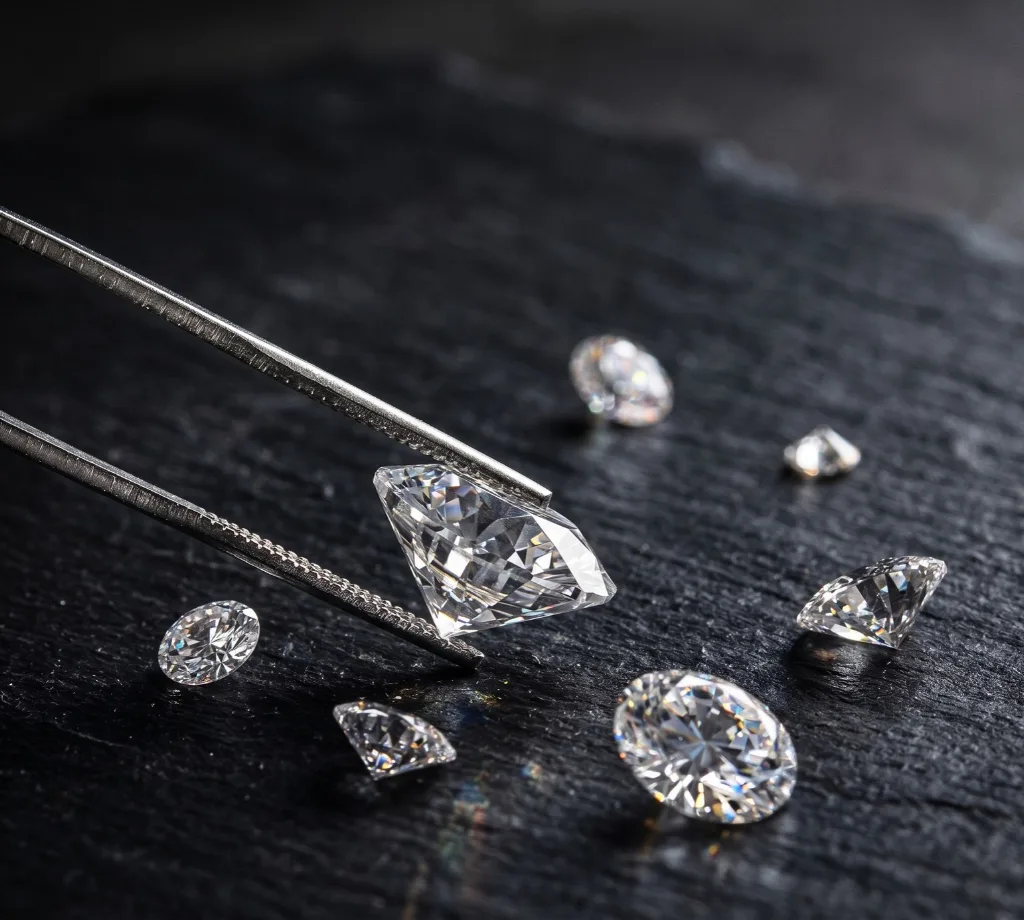
Show the same loose diamond to three different buyers, and you could walk away with three very different numbers. One quotes a figure that feels insulting, another hedges, and a third asks to keep the stone overnight. When you’re ready to sell, the hardest part often isn’t finding a buyer. It’s knowing which offer actually reflects your diamond’s worth.
This guide explains how professionals value loose diamonds, how to read your grading report, and how to recognize a fair offer. It also introduces Vasco Assets, a Newport Beach luxury asset firm whose GIA-certified gemologists provide free, transparent TruValue valuations, so you understand exactly how your stone is priced before you agree to anything.

How Do Diamond Buyers Calculate Their Offers?
Those widely varying quotes have a logic behind them. Diamonds have no single published price the way gold does, so professional buyers weigh grading characteristics, comparable market prices, selling expenses, and potential risks. Their offer typically lands below the stone’s estimated resale value, and each buyer’s resale channels and business model shape how large that gap becomes.
According to the Gemological Institute of America (GIA), grading reports document characteristics such as carat weight, color, clarity, and cut but do not establish monetary value. Buyers must translate those grades into a price by comparing them against current secondary-market demand, which is where expertise and access to dealer networks make a measurable difference.
Example: Calculating a Cash Offer for a 1-Carat Diamond
Consider a hypothetical 1.00-carat natural round diamond with an estimated secondary-market resale value of $5,000. These figures are hypothetical and do not represent verified 2026 diamond prices or actual Vasco Assets offers.
| Valuation Component | Illustrative Amount |
| Comparable secondary-market resale benchmark | $5,000 |
| Expected resale and transaction costs | −$400 |
| Potential servicing or recertification | −$150 |
| Buyer margin and risk allowance | −$950 |
| Illustrative cash offer | $3,500 |
Here, the buyer offers 70% of the estimated resale benchmark, with the remaining $1,500 covering selling expenses, possible recertification, holding time, and the risk of prices shifting before resale. Stones with strong appeal may draw more competitive bids, while unusual traits or limited demand can reduce them. Request a written explanation to spot an unnecessarily conservative offer.
Your Grading Report Is the Starting Point, Not the Price
Your grading report remains the foundation of any valuation. GIA reports are the market benchmark because of their consistency. Some other labs have historically graded more leniently, so a stone labeled one grade elsewhere may receive a lower color or clarity grade at GIA, and experienced buyers adjust their offers accordingly.
Before selling, confirm your report is genuine using GIA Report Check, a free tool that matches your report number against GIA’s database. Buyers will also verify that the physical stone matches the paperwork, since older reports may predate current cut standards or miss later chips. GIA’s authenticity guidance outlines additional verification steps.
Beyond the 4Cs: Details That Move Your Offer
Cut quality has an outsized effect on demand because it drives brilliance. Shape matters as well: round brilliants tend to have the broadest buyer pool, while fancy shapes rise and fall with fashion. Strong blue fluorescence can lower value in some colorless stones, and diamonds just below popular weights, such as 0.98 carats versus 1.00, often price noticeably lower.
Origin is now one of the biggest variables. Natural diamonds hold their resale market far better than laboratory-grown stones, which many buyers purchase at a small fraction of retail or decline entirely. Treatments such as fracture filling or laser drilling also reduce value. A qualified gemologist can identify these factors, which is why physical inspection matters more than photos alone.
How to Recognize a Fair Offer
Every buyer type serves a purpose, but each comes with trade-offs worth weighing. The comparison below summarizes common selling channels so you can judge where your diamond is most likely to receive a fair, well-explained offer. Practices vary between individual businesses, so always evaluate a specific buyer on its own merits and reputation.
| Selling Channel | Typical Approach | What to Watch For |
| Pawn shop | Fast cash priced for quick resale | Conservative offers, limited gemological testing |
| Retail jeweler | Buys for inventory or offers trade-in credit | Store credit instead of cash, narrow buying criteria |
| Online marketplace | You set the price and find the buyer | Platform fees, fraud risk, slow sales |
| Auction house | Competitive bidding among collectors | Seller fees, unpredictable results, long timelines |
| Specialist diamond buyer | Gemologist-led valuation with direct payment | Verify credentials and request clear explanations |
Whichever channel you choose, a fair offer comes with a clear explanation. Look for buyers who inspect the stone in your presence or under insured conditions, reference your report’s specific grades, and explain any deductions plainly. Red flags include pressure to decide immediately, reluctance to put the offer in writing, or vague answers about how the number was calculated.
Inside Vasco’s Loose Diamond Valuation
Vasco Assets begins with a free, no-obligation TruValue valuation. You can submit your diamond’s details and certificate online or speak directly with a specialist. Vasco’s GIA-certified gemologists then assess the stone against current market conditions, verifying its characteristics rather than relying solely on paperwork, and explain how each factor shapes the final figure.
Because Vasco operates within the global luxury trade and sells to industrial buyers and accredited investors, it has strong channels for quality stones. Clients outside Southern California can send diamonds through Sure Secure Shipping. Vasco’s certified diamond buyers bring over 150 years of combined luxury experience, backed by more than 100 five-star reviews on Google and Yelp.
Sell Today or Borrow Against Your Diamond
If you’re ready to sell, Vasco can make a direct offer once your valuation is complete, with secure transactions and no hidden fees. For owners unsure whether a permanent sale is right, a collateral loan lets you use the diamond’s value while keeping ownership. Loans start at $2,500, with terms from 30 to 120 days.
Rates are negotiable and generally fall between 2% and 10%, averaging around 5%, under lending licensed by California’s Department of Justice. While held, your diamond is insured through Lloyd’s and Partners for twice the loan amount. Get your free TruValue diamond valuation or call 949.674.3575 to discuss whether selling or borrowing better fits your plans.
Know Your Diamond, Then Name Your Terms
Selling a loose diamond well comes down to information. When you understand your grading report, the details that influence demand, and how buyers build their numbers, a confusing range of quotes becomes a decision you control. Preparation turns you from a price-taker into an informed seller and protects you from accepting the first number you hear.
Vasco Assets pairs GIA-certified expertise with transparent explanations, secure handling, and flexible options to sell or borrow. Instead of guessing which offer is fair, you’ll see exactly how your stone was valued and why. Request your complimentary valuation today and discover what your loose diamond can command in the current market.
Frequently Asked Questions
Can I sell a loose diamond without a grading certificate?
Yes. A missing certificate doesn’t change the diamond itself; it simply means the buyer must verify its characteristics independently. An experienced gemologist can test and grade the stone in person. Expect offers to be somewhat more conservative without documentation, especially for larger stones, where small grade differences carry significant price implications.
Is it worth getting a GIA report before I sell?
For higher-value stones, often yes. A recent GIA report can broaden your buyer pool and remove uncertainty that might otherwise reduce offers. For smaller diamonds, grading fees and turnaround time may outweigh the benefit. A specialist can review your stone and advise whether certification is likely to improve your result before you spend money on it.
Do lab-grown diamonds have resale value?
Generally, very little. Laboratory-grown diamonds have seen steep retail price declines, and their secondary market remains limited. Many buyers decline them or offer only a small fraction of the original purchase price. If you’re unsure whether your stone is natural or lab-grown, professional testing or a laboratory report will confirm its origin quickly.
Why is the offer lower than what I originally paid?
Retail prices include markups that cover a jeweler’s overhead, marketing, and profit. When you sell, buyers price against the secondary market, where stones trade closer to wholesale levels. That gap is normal and doesn’t automatically mean an offer is unfair. The real question is whether the offer aligns with current resale demand for comparable diamonds.
Should I remove my diamond from its setting before selling?
Not necessarily. Loose diamonds are easier to inspect thoroughly, which can make grading more precise. However, if your stone sits in a setting from a luxury house such as Tiffany or Cartier, the complete piece may be worth more intact. Ask a specialist to evaluate both scenarios before anyone removes the stone from its mounting.
How do I ship a loose diamond safely for appraisal?
Never mail a valuable diamond in a standard envelope. Use a buyer’s insured shipping program, such as Vasco’s Sure Secure Shipping, which is designed for high-value assets. Photograph the stone and its report beforehand, keep copies of all documentation, and confirm insurance coverage and tracking details in writing before sending anything.
Are small diamonds worth selling?
Small diamonds and melee typically carry modest individual values, but a collection of them can add up. Buyers often price small stones by parcel rather than individually. Combining several pieces, or selling small stones alongside larger items, can make the process more worthwhile. A free valuation will show whether selling them makes financial sense for you.