
Does the Value of Luxury Watches Depreciate?
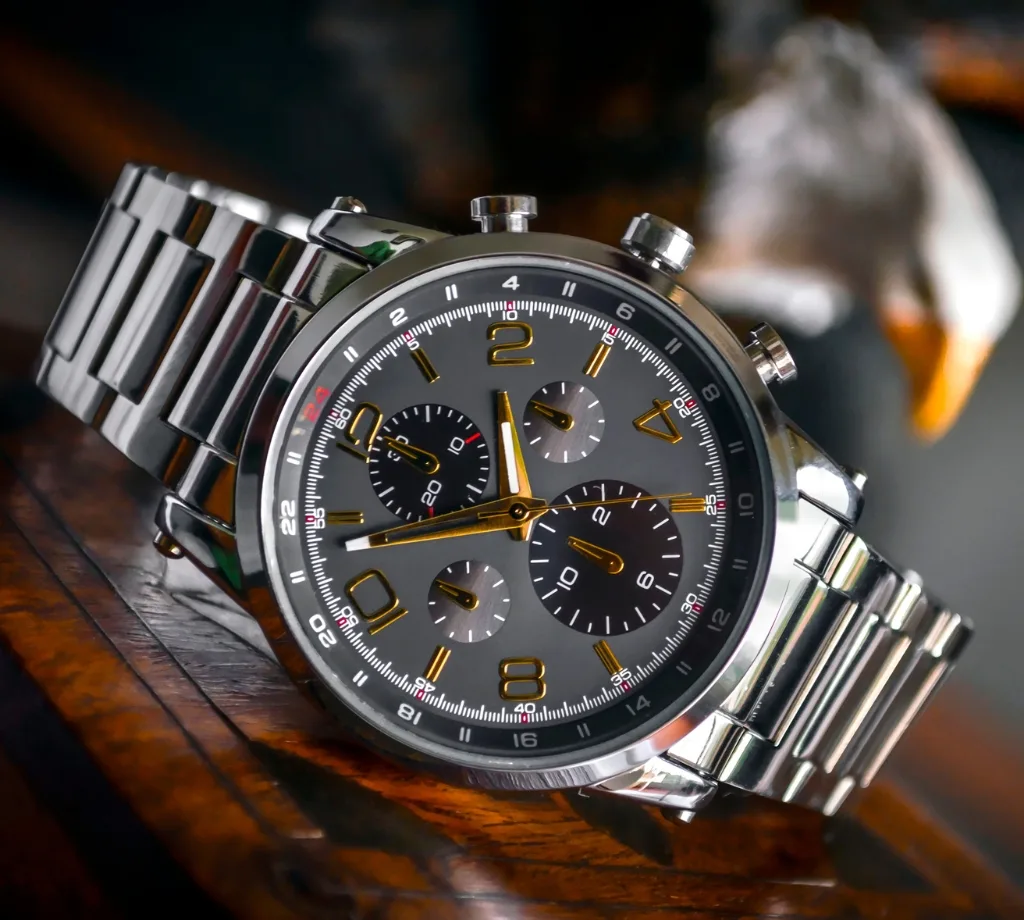
Ask ten watch owners whether luxury watches are a good investment, and you’ll get ten different answers, mostly because the truth depends entirely on the brand, model, and even the specific reference number. Some pieces lose value the moment they leave the store; others have outpaced their original retail price for years. Understanding which category your watch falls into matters whether you’re buying, selling, or borrowing against it.
Vasco Assets, a licensed and bonded luxury asset firm based in Newport Beach, evaluates luxury watches through a dedicated watch division built specifically to price pieces accurately based on real market demand, not a flat assumption about depreciation or appreciation. That distinction matters more than most owners realize until they’re actually trying to sell.
Why “Do Watches Depreciate?” Doesn’t Have One Answer
The honest answer is that it depends heavily on brand and model. Platforms like WatchCharts track secondary-market pricing across tens of thousands of references, and that data consistently shows a wide spread — some watches sell for a fraction of retail, while others command a premium above what they originally cost.
This means a blanket statement like “luxury watches hold their value” or “luxury watches always depreciate” misses the point entirely. The real question is which brand, which model, and in some cases which specific configuration you own, since value retention varies dramatically even within a single manufacturer’s lineup. Two watches sitting side by side in a display case can perform completely differently once they hit the resale market.
How Much Value Does a Luxury Watch Lose?
One of the biggest misconceptions about luxury watches is that value retention can be predicted by brand name alone. While certain manufacturers have developed strong reputations for resale performance, the reality is that depreciation varies significantly between individual models, reference numbers, and production years. A Rolex, Patek Philippe, or Audemars Piguet can either hold value, appreciate, or lose value depending on the exact watch and current market demand.
A simple way to understand potential depreciation is to compare the original retail price with the current secondary-market value:
| Original Retail Price | Secondary Market Value | Change |
| $10,000 | $8,000 | -20% |
| $25,000 | $20,000 | -20% |
| $50,000 | $60,000 | +20% |
These examples highlight why the question isn’t simply “Does this brand hold value?” The more important question is “How does this specific reference perform in today’s market?”
Secondary-market pricing depends on several variables, including production availability, collector demand, condition, originality, and whether the watch includes its original box, papers, and documentation. Platforms such as WatchCharts track thousands of luxury watch references and analyze market pricing trends across specific models rather than relying only on brand reputation. For example, a discontinued sports model with limited availability may trade above its original retail price because demand exceeds supply, while another watch from the same manufacturer may depreciate because it has a larger production volume or less collector interest. Before selling or using a luxury watch as collateral, understanding its current secondary-market value provides a far more accurate picture than looking only at the original purchase price.
Which Watches Tend to Hold or Gain Value
Certain brands and models consistently perform better on the secondary market than others. Steel sports watches from brands like Rolex, Patek Philippe, and Audemars Piguet — think Submariner, Daytona, Nautilus, or Royal Oak — tend to hold value strongly, and specific discontinued or highly demanded references have sold above their original retail price for years.
Scarcity plays a major role here. When a brand limits production or discontinues a popular reference, existing supply becomes fixed while demand often continues rising, which is one of the most reliable drivers of appreciation in the watch market. Brand recognition matters too — widely recognized names tend to have deeper, more liquid resale markets than lesser-known manufacturers, even when the underlying craftsmanship is comparable, simply because more potential buyers exist for a name they already trust.
Which Watches Tend to Depreciate
Most watches, including many respected Swiss brands, depreciate to some degree after purchase, particularly in the first year or two of ownership. Precious metal models, dress watches, and less iconic references within a brand’s lineup often lose more value than their steel sports-watch counterparts from the same manufacturer, even when the craftsmanship behind them is comparable or arguably superior.
Fashion and licensed-brand watches tend to depreciate the fastest and the most predictably, since much of their retail price reflects marketing and brand licensing costs rather than material or craftsmanship value that holds up on resale. Current-production models also carry more depreciation risk than discontinued references, since new versions can arrive and shift demand away from what you own, sometimes within just a year or two of a purchase.
Factors That Influence Any Watch’s Resale Value
Beyond brand and model, several practical factors shape what any individual watch is actually worth on resale. Condition matters significantly — an unpolished watch with original finishing intact typically outperforms a polished one, since polishing can permanently alter the case in ways collectors notice and penalize heavily when it comes time to sell.
Completeness of the set also affects value meaningfully. Original box, papers, warranty documentation, and service history all add confidence for a buyer and typically support a stronger offer than a watch with none of that documentation. Current market demand shifts over time as well, so the same watch might be worth noticeably more or less depending on when it’s sold, which is why timing can matter almost as much as the watch itself.
| Factor | Effect on Value |
| Brand and model recognition | Stronger recognition generally supports stronger resale |
| Scarcity or discontinued status | Fixed supply against ongoing demand often drives appreciation |
| Condition and originality | Unpolished, well-maintained pieces typically hold more value |
| Box, papers, and documentation | Complete sets generally support a stronger offer |
| Current market demand | Prices can shift meaningfully depending on timing |
Why Timing and Market Cycles Matter Too
Beyond the watch itself, broader market cycles influence what any piece is worth at a given moment. The secondary watch market has gone through noticeable swings in recent years, with certain periods driving prices well above retail across many brands, followed by corrections that brought pricing back down closer to historical norms.
This cyclical nature means the same watch could be worth meaningfully more or less depending on when you choose to sell, independent of anything about the watch’s condition or documentation. A professional evaluation accounts for where the market currently sits rather than relying on outdated price expectations from a stronger or weaker period, which is one more reason a generic assumption about “what Rolexes are worth” can be misleading at any given time.
What This Means If You Want to Sell Your Watch
Understanding where your specific watch falls on this spectrum matters before you sell. A common misconception is assuming every luxury watch has appreciated simply because it’s a recognized brand, when in reality the specific reference and its condition drive most of the actual valuation.
Vasco Assets evaluates each watch individually, accounting for model, condition, documentation, and current demand rather than applying a blanket assumption about depreciation or appreciation. That specificity is exactly what separates an accurate offer from a rough guess based only on brand name, and it’s worth confirming that any buyer you consider takes the same approach.
Using a Watch as Collateral Instead of Selling
If your watch has appreciated or simply holds strong value, you may not want to sell it outright at all. A collateral loan or LuxLoc line of credit lets you pledge a luxury watch valued at $10,000 or more, unlocking a credit line based on a loan-to-value ratio of up to 80% while you retain ownership.
| If your watch has… | Consideration |
| Appreciated or held strong value | May be worth pledging rather than selling |
| Depreciated significantly | Selling may make more sense if you’re ready to move on |
| Sentimental or long-term investment value | Pledging preserves the option to reclaim it |
| No further personal use for you | Selling outright is typically simpler |
This distinction matters because a watch that’s likely to keep appreciating is often better kept as collateral than sold outright at a single point in time, especially if you’re only facing a short-term cash need rather than a permanent decision to part with it.
Take the Next Step
If you own a luxury watch and want to know whether it’s appreciated, held its value, or depreciated, the fastest way to find out is a free watch valuation. Vasco Assets, based in Newport Beach, CA, evaluates each watch individually so you get an accurate answer rather than a generic assumption about the brand.
There’s no cost to get a valuation, and no obligation to sell once you have it. Reach out today and find out what your watch is actually worth in today’s market.
Frequently Asked Questions
Do luxury watches always depreciate?
No. Depreciation depends heavily on brand and specific model. Some references, particularly discontinued steel sports watches from top brands, have appreciated above retail, while many others depreciate over time.
How much value does a luxury watch typically lose?
It varies widely by reference. Some watches lose 20% or more from retail, while certain discontinued or high-demand models have gained value instead. Platforms like WatchCharts track this on a model-by-model basis.
Which luxury watch brands hold value best?
Brands like Rolex, Patek Philippe, and Audemars Piguet, particularly their steel sports models, tend to hold value most consistently, though performance varies widely even within these brands.
Does having the original box and papers matter for resale value?
Yes. A complete set with original box, papers, and documentation generally supports a stronger offer than a watch missing this documentation.
Should I sell my watch if it’s depreciated?
That depends on your goals. If you’re ready to move on from the piece, selling is usually simpler. If you believe the watch could recover value, pledging it as collateral may be worth considering instead.
Can I borrow against a luxury watch instead of selling it?
Yes. A collateral loan or LuxLoc line of credit lets you pledge a watch valued at $10,000 or more while retaining ownership.
Is there a cost to get my watch valued?
No. Valuations are free and come with no obligation to sell.