
Collateral Loans in Irvine: Capital Against Watches, Jewelry & Gold
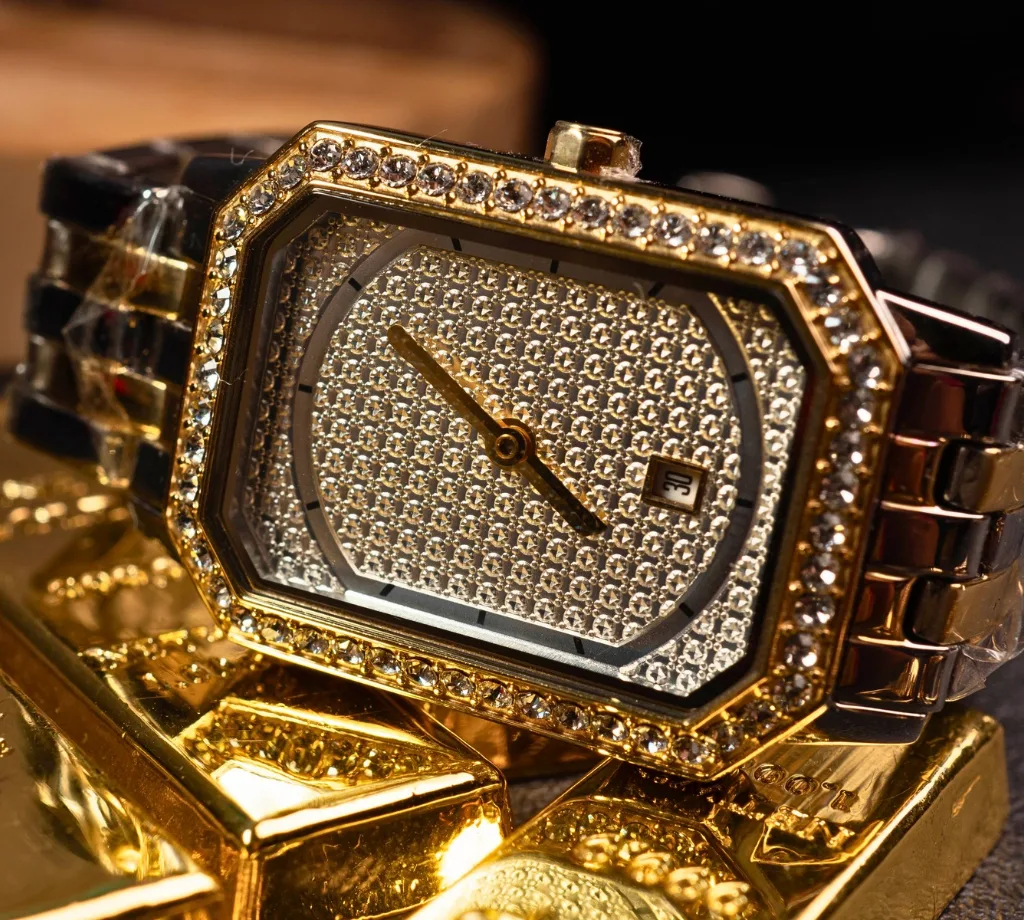
An Irvine resident sitting on a watch collection, a box of gold jewelry, or inherited estate pieces has more financial flexibility than most people realize. Collateral lending against these assets can unlock capital quickly, without a credit check, a sale, or giving up ownership of what you’re pledging.
Vasco Assets, a licensed and bonded luxury asset firm serving Irvine and greater Orange County from Newport Beach, structures collateral loans specifically around watches, jewelry, and gold. Understanding how the process works can help you decide whether borrowing against an asset is the right move for your situation.
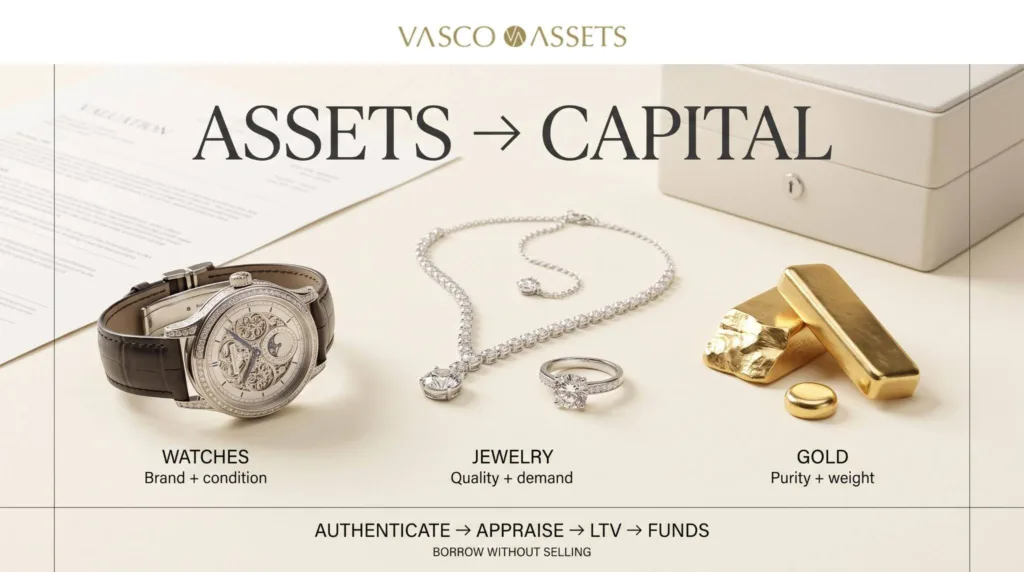
How Collateral Lending Works for Irvine Borrowers
The Basic Mechanics
A collateral loan uses a physical asset, rather than your credit score, as the basis for approval. The lender secures the loan against your item and holds it until you repay according to the agreed terms, at which point it’s returned to you.
Why It Moves Faster Than a Bank Loan
Because the loan is fully secured by a tangible asset, lenders typically require less paperwork and move through approval faster than a conventional bank loan. This benefits both sides — you get quicker access to cash, and the lender assumes less risk than an unsecured loan would carry.
Watches, Jewelry, and Gold: What Qualifies
Luxury Watches
Watches from brands like Rolex, Patek Philippe, and Cartier are among the most liquid and commonly accepted collateral assets, given their strong, well-documented resale markets. Condition, documentation, and reference popularity all factor into how strong a loan offer a specific watch can support.
Fine Jewelry and Gold
Fine jewelry, including diamond pieces and designer jewelry from established houses, qualifies as long as it can be authenticated and appraised. Gold, whether in jewelry, bullion, or coin form, is valued primarily against its purity and weight relative to current market pricing.
How Irvine Borrowers Can Verify a California Pawnbroker
Why Licensing Matters More Than a Website Badge
Before pledging a Rolex, jewelry collection, or gold as collateral, Irvine borrowers should verify that the business is authorized to conduct the type of transaction it’s offering. California distinguishes between secondhand dealers and pawnbrokers, and the California Department of Justice says businesses operating in either category must apply through the appropriate local licensing agency, typically the chief of police or sheriff’s department, which administers and enforces the applicable state requirements.
Five Questions to Ask Before You Sign
That makes licensing more than a formality. Ask what type of California license the business holds, and whether it’s specifically licensed as a pawnbroker if your asset is being pledged to secure a loan. Confirm which local agency issued or administers the license, and whether the business reports applicable transactions through California’s Pawn and Secondhand Dealer System (CAPSS).
Also confirm that the written agreement clearly identifies the collateral, loan terms, repayment requirements, and redemption process. The California DOJ states that licensed secondhand dealers and pawnbrokers are required to submit applicable tangible-personal-property transaction information through CAPSS, a statewide reporting framework used by both licensed businesses and law enforcement.
Why the Legal Structure Still Matters Beyond Licensing
For a high-value asset, you can also ask the lender to explain exactly which legal structure applies to your transaction. A business may use terms like “collateral loan” or “asset-backed loan,” but the agreement should make clear who possesses the property, what secures the debt, and what happens if you don’t redeem it.
Collateral Loan vs. Pawn Loan: Why the Structure Matters
The Two Legal Definitions That Actually Matter
“Collateral loan” and “pawn loan” are sometimes used interchangeably, but the legal structure of the transaction can be different. For borrowers pledging a watch, jewelry, or gold, understanding who holds the asset and what happens if you don’t repay is more important than the label used in an advertisement.
The Consumer Financial Protection Bureau defines a non-recourse pawn loan around two specific conditions: the lender has sole physical possession and use of the pledged property for the entire loan term, and the lender’s only recourse if you don’t redeem the item is retaining the collateral, subject to applicable law. If you remain able to possess or use the property, or can be held personally liable for a remaining balance, the transaction doesn’t meet that federal definition.
Five More Questions Worth Asking Before You Sign
Before signing anything, ask who legally holds your asset during the loan, and whether you can continue using it or the lender takes physical possession. Confirm whether you’re personally liable if the collateral doesn’t cover the balance, what happens if you miss the redemption deadline, and what type of lending agreement you’re actually signing.
These answers can materially change your obligations and your risk. A loan secured by an asset isn’t necessarily structured the same way as a traditional pawn transaction, and the contract — not simply the phrase “collateral loan” — should tell you how possession, repayment, default, and the collateral are actually handled.
How Your Asset’s Loan Value Is Determined
Authentication Comes First
Before any loan amount is discussed, a specialist authenticates the item — verifying serial numbers, hallmarks, gold purity, and construction details specific to the category. This step protects both you and the lender from disputes later in the loan term.
Condition, Documentation, and Demand
Once authenticity is confirmed, condition, completeness, and any accompanying documentation factor into the loan value. A watch with its original box and papers, or jewelry with certification, typically supports a stronger offer than an item without it.
Understanding Loan-to-Value and Why Offers Vary
What the Ratio Protects
Most collateral lenders don’t loan the full appraised value of an item — instead, they offer a percentage of it, known as the loan-to-value ratio. This buffer protects the lender if the asset ever needs to be resold to recover the loan amount.
Why Gold Often Differs From Watches and Jewelry
Gold’s loan-to-value ratio tends to track closely with current spot pricing, since its value is transparent and easily verified. Watches and jewelry are more variable, since brand demand, condition, and rarity all shift what a lender is willing to offer relative to appraised value.
Interest Rates, Fees, and Redemption Terms
How Interest Typically Works
Collateral loans against luxury assets generally carry interest rates that reflect the reduced risk to the lender, since the loan is fully secured. Ask whether interest accrues monthly, how it compounds, and whether early repayment reduces the total amount owed.
Storage, Insurance, and Deadlines
Beyond interest, ask about any storage or insurance fees charged while your asset is held as collateral. Every loan also includes a redemption deadline, so understand what happens if you need more time before signing anything.
Step-by-Step: Getting a Collateral Loan From Irvine
Submitting Your Asset for Review
The process typically begins with submitting photos and details of your watch, jewelry, or gold, either online or in person, so a specialist can provide a preliminary estimate.
Authentication and Appraisal
Next, the item is physically authenticated and appraised, confirming the details that determine both the loan-to-value ratio and the final offer amount.
Reviewing and Signing Terms
You’ll then receive a formal loan offer outlining the amount, interest rate, term length, and any fees. Read the agreement carefully before signing, since it defines your obligations for the full loan period.
Receiving Funds
After signing, funds are typically disbursed quickly, often within the same day for firms specializing in this kind of lending, giving you fast access to liquidity.
Selling Locally, Shipping Remotely, or Borrowing Instead
Visiting for In-Person Evaluation
Irvine borrowers can visit Vasco Assets’ Newport Beach location directly for an in-person appraisal and loan evaluation, which offers the fastest possible turnaround. This route suits borrowers who want funds as quickly as possible.
Shipping Your Item Securely
For those who’d rather not make the drive, Sure Secure Shipping allows you to begin the process remotely while your item remains fully insured throughout transit. You still receive the same authentication and a guaranteed loan offer either way.
How Vasco Assets Structures Collateral Loans
Vasco Assets offers Collateral Loans built specifically around watches, jewelry, and gold, drawing on a team the company describes as having over 150 years of combined experience in luxury buying. This specialization matters directly for loan terms, since accurate authentication typically translates into stronger loan-to-value offers than a generalist lender can provide.
If selling ultimately makes more sense than borrowing, Sell Your Assets provides a separate path to a guaranteed best-price valuation. For pieces you’d rather see reach the right buyer over time, Consignment Services offers another alternative.
Questions to Ask Before You Borrow
Before committing to any collateral loan, ask directly how your item will be stored and insured during the loan term. Confirm the exact interest structure, whether extensions are available near the redemption deadline, and what happens if you’re unable to repay in full.
It’s also worth asking how the lender determined your specific loan-to-value ratio, since a transparent lender should be able to explain the reasoning rather than simply stating a number.
Turning Watches, Jewelry, and Gold Into Working Capital
A collateral loan lets Irvine borrowers access liquidity from watches, jewelry, and gold without giving up ownership, but the terms you agree to matter as much as the loan amount itself. Authentication quality, licensing verification, loan-to-value ratios, and redemption terms together determine whether a collateral loan actually serves your needs.
If you’re considering this route, Vasco Assets offers collateral lending built specifically around luxury assets, serving Irvine and greater Orange County. Request a free valuation to see what your item could support before committing to any loan terms.
Frequently Asked Questions
How do I verify a California pawnbroker’s license before pledging an asset?
Ask what type of license the business holds, which local agency issued it, and whether it’s specifically licensed as a pawnbroker for loan transactions. Verify this information independently with the local licensing authority rather than taking the business’s word for it.
What’s the legal difference between a collateral loan and a pawn loan?
A non-recourse pawn loan requires the lender to hold sole physical possession of the item for the full term, with retaining the collateral as their only recourse if you don’t repay. A collateral loan may be structured differently, so the contract terms matter more than the label used to describe it.
What items can I use as collateral for a loan?
Luxury watches, fine jewelry, gold, and precious metals commonly qualify, provided they can be authenticated and appraised. Liquidity and resale demand play a significant role in what a lender will accept.
How is gold valued differently from watches or jewelry as collateral?
Gold is valued primarily against its purity and weight relative to current spot pricing, making it more transparent and predictable. Watches and jewelry depend more heavily on brand, condition, and market demand.
Will I lose ownership of my item if I take out a collateral loan?
No, as long as you repay according to the agreed terms. The lender holds the item as security during the loan period and returns it once the loan is repaid in full.
Do I need to visit Newport Beach in person, or can I do this from Irvine remotely?
You can do either. Vasco Assets offers secure, insured shipping so Irvine borrowers can complete the appraisal and loan process without an in-person visit.
How quickly can I receive funds after approval?
Specialized luxury lenders often disburse funds quickly, sometimes within the same day the loan agreement is signed, though timing can vary by lender.