
Collateral Loans in Newport Beach: Borrow Against Luxury Assets
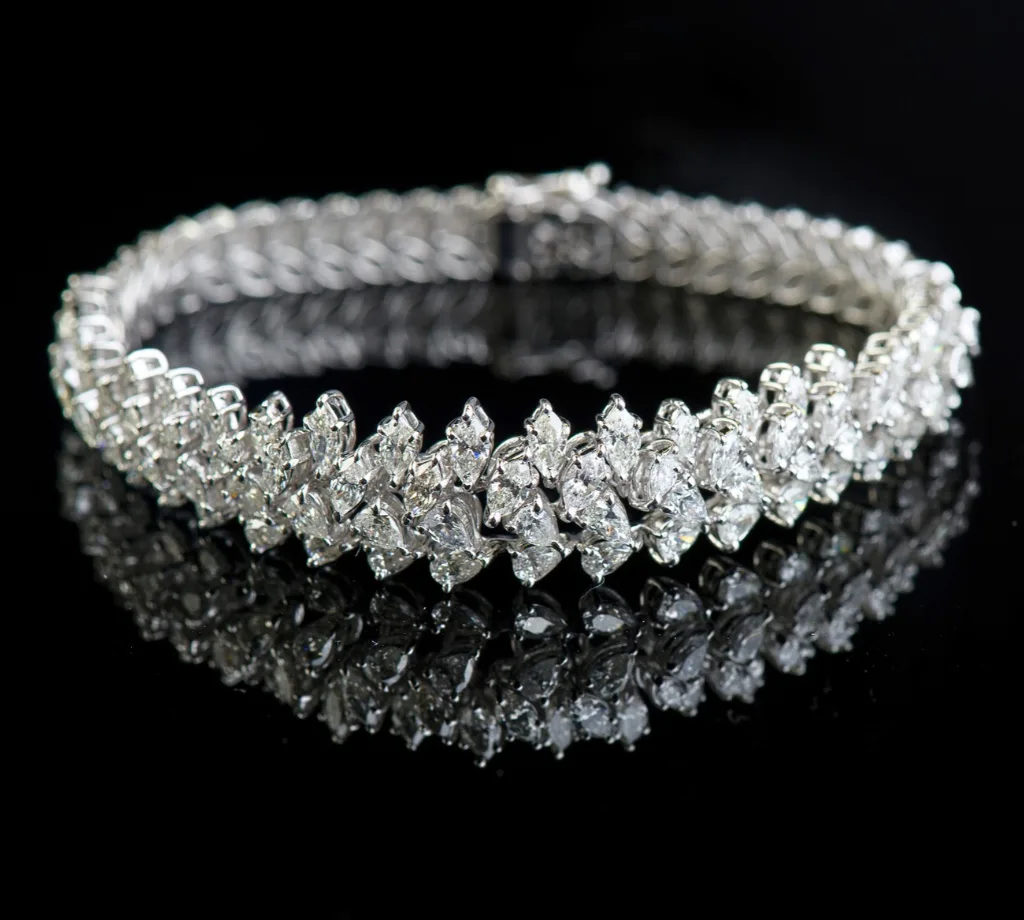
A safe full of jewelry, a Rolex you rarely wear, or a vehicle sitting in the garage can all become working capital without ever leaving your ownership. Collateral lending against luxury assets has become one of the fastest, most private ways for Newport Beach residents to access cash without touching a bank’s credit requirements.
Vasco Assets, a licensed and bonded luxury asset firm based right in Newport Beach, structures collateral loans specifically around high-value items like watches, jewelry, precious metals, and vehicles. Understanding how these loans work can help you decide whether borrowing against an asset makes more sense than selling it outright.
How a Collateral Loan Actually Works
Securing the Loan With a Physical Asset
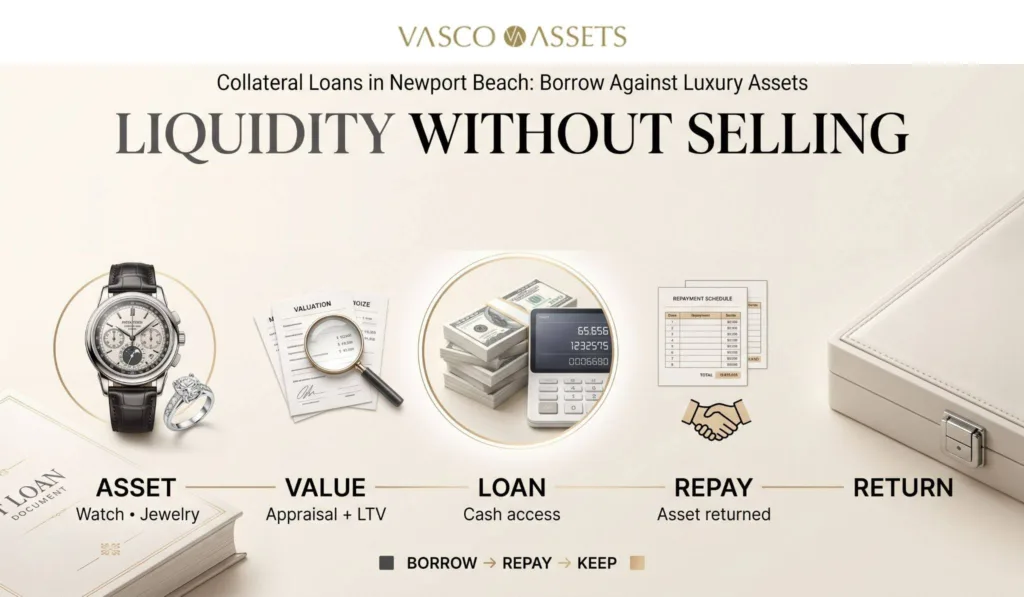
A collateral loan uses a physical asset — rather than your credit score — as the basis for approval. The lender holds your item as security for the duration of the loan, returning it once you’ve repaid according to the agreed terms.
Why This Structure Moves Faster Than Traditional Loans
Because the loan is fully secured, lenders typically require less documentation and move through approval faster than a traditional bank loan. This structure benefits both sides: you get quicker access to funds, and the lender takes on less risk than an unsecured loan would carry.
Collateral Loan vs. Pawn Loan: Why the Structure Matters
The Two Legal Definitions That Actually Matter
“Collateral loan” and “pawn loan” are sometimes used interchangeably, but the legal structure of the transaction can be different. For borrowers pledging a Rolex, diamond ring, or other luxury asset, understanding who holds the asset and what happens if you don’t repay is more important than the label used in an advertisement.
The Consumer Financial Protection Bureau defines a non-recourse pawn loan around two specific conditions: the lender has sole physical possession and use of the pledged property for the entire loan term, and the lender’s only recourse if you don’t redeem the item is retaining the collateral, subject to applicable law. If you remain able to possess or use the property, or can be held personally liable for a remaining balance, the transaction doesn’t meet that federal definition of a non-recourse pawn loan.
Five Questions Worth Asking Before You Sign
Before signing anything, ask who legally holds your asset during the loan, and whether you can continue using it or the lender takes physical possession. Confirm whether you’re personally liable if the collateral doesn’t cover the balance, what happens if you miss the redemption deadline, and what type of lending agreement you’re actually signing.
These answers can materially change your obligations and your risk. A loan secured by an asset isn’t necessarily structured the same way as a traditional pawn transaction, and the contract — not simply the phrase “collateral loan” — should tell you how possession, repayment, default, and the collateral are actually handled.
What Assets Qualify for Collateral Lending
Watches and Fine Jewelry
Luxury watches from brands like Rolex, Patek Philippe, and Cartier are among the most commonly used assets for collateral lending, given their strong resale liquidity. Fine jewelry, including diamond pieces and designer jewelry from houses like Van Cleef & Arpels, qualifies as well, provided it can be authenticated and appraised.
Precious Metals, Coins, and Vehicles
Precious metals and rare coins can also serve as collateral, valued according to current market pricing for their metal content and any numismatic premium. Luxury and exotic vehicles round out the categories Vasco Assets typically works with, each requiring its own specialized appraisal process.
How Your Asset’s Loan Value Is Determined
Authentication Comes Before Any Number Is Discussed
Before any loan amount is offered, a specialist authenticates the item — verifying serial numbers, materials, and construction details specific to the brand or category. This step protects both you and the lender from disputes later in the loan term.
Condition, Documentation, and Market Demand
Once authenticity is confirmed, condition, completeness, and documentation all factor into the loan value. An item with its original box, papers, and service history typically supports a stronger offer than one without, since documentation reduces the lender’s risk during the loan period.
Understanding Loan-to-Value and Why Offers Vary
What the Ratio Actually Protects
Most collateral lenders don’t loan the full appraised value of an asset — instead, they offer a percentage of it, known as the loan-to-value ratio. This buffer protects the lender if the asset ever needs to be resold to recover the loan amount.
Why Ratios Differ Between Items
Highly liquid items from established brands generally qualify for stronger loan-to-value ratios than obscure or hard-to-resell pieces. Ask any lender directly what ratio applies to your specific asset and how they calculated it, rather than accepting a flat number without explanation.
Interest, Fees, and Redemption Terms to Understand
How Interest Typically Works
Collateral loans against luxury assets generally carry interest rates that reflect the reduced risk to the lender, since the loan is fully secured. Ask whether interest accrues monthly, how it compounds, and whether early repayment reduces the total amount owed.
Storage, Insurance, and Deadlines
Beyond interest, ask about any storage or insurance fees charged while your asset is held. Every collateral loan also includes a redemption deadline — the date by which you must repay to reclaim your item — so understand what happens if you need more time before signing anything.
Step-by-Step: Getting a Collateral Loan in Newport Beach
Submitting Your Asset for Initial Review
The process typically begins with submitting photos and details of your item, either online or in person, so a specialist can provide a preliminary estimate of loan value.
Authentication and Appraisal
Next, the asset is physically authenticated and appraised, confirming the details that determine both the loan-to-value ratio and the final offer amount.
Reviewing and Signing Terms
You’ll then receive a formal loan offer outlining the amount, interest rate, term length, and any applicable fees. Read the agreement carefully before signing, since it defines your obligations for the full loan period.
Receiving Funds
After signing, funds are typically disbursed quickly, often within the same day for firms specializing in this kind of lending, allowing you to access liquidity without delay.
Borrowing vs. Selling: Which Makes More Sense
When Borrowing Is the Better Fit
Borrowing against an asset makes sense if you expect to repay within the loan term and want to keep the item long-term. It’s particularly useful for sentimental pieces, or assets you believe will appreciate, where selling outright would mean losing more than just liquidity.
When Selling Outright Makes More Sense
Selling outright, by contrast, makes more sense if you don’t need the asset back and want a single, final transaction without ongoing interest or a redemption deadline. A specialized firm should be comfortable walking you through both options rather than pushing you toward whichever is more profitable for them.
How Vasco Assets Structures Its Collateral Loans
Loans Built Around Real Expertise
Vasco Assets offers Collateral Loans built specifically around luxury assets, drawing on a team the company describes as having over 150 years of combined experience in luxury buying. This specialization matters directly for loan terms, since accurate authentication and valuation typically translate into stronger loan-to-value offers than a generalist lender can provide.
Alternatives If Selling Fits Better
If selling ultimately makes more sense than borrowing, Sell Your Assets provides a separate path to a guaranteed best-price valuation. For those who aren’t local, Sure Secure Shipping makes it possible to submit an item for appraisal and loan approval without visiting in person.
Questions to Ask Before You Borrow
Before committing to any collateral loan, ask directly how your asset will be stored and insured during the loan term. Confirm the exact interest structure, whether extensions are available near the redemption deadline, and what happens specifically if you’re unable to repay in full.
It’s also worth asking how the lender determined your specific loan-to-value ratio, since a transparent lender should be able to explain the reasoning rather than simply stating a number. Clear answers upfront prevent unpleasant surprises later in the loan term.
Putting Luxury Assets to Work Without Losing Them
A collateral loan lets you access liquidity from watches, jewelry, precious metals, or vehicles without giving up ownership, but the terms you agree to matter as much as the loan amount itself. Authentication quality, loan-to-value ratios, interest structure, and redemption terms together determine whether a collateral loan actually serves your needs.
If you’re considering this route, Vasco Assets offers collateral lending built specifically around luxury assets right in Newport Beach. Request a free valuation to see what your item could support before committing to any loan terms.
Frequently Asked Questions
What’s the legal difference between a collateral loan and a pawn loan?
A non-recourse pawn loan requires the lender to hold sole physical possession of the item for the full term, with retaining the collateral as their only recourse if you don’t repay. A collateral loan may be structured differently, so the contract terms matter more than the label used to describe it.
What types of assets qualify for a collateral loan?
Luxury watches, fine jewelry, precious metals, rare coins, and luxury vehicles commonly qualify, provided they can be authenticated and appraised. Liquidity and resale demand play a significant role in what a lender will accept.
Will I lose ownership of my asset if I take out a collateral loan?
No, as long as you repay according to the agreed terms. The lender holds the item as security during the loan period and returns it once the loan is repaid in full.
Could I be held personally liable if my collateral doesn’t cover the loan balance?
It depends on the agreement’s structure. Ask directly whether the lender can pursue you for a remaining balance, since this varies between non-recourse pawn loans and other collateral lending structures.
What happens if I can’t repay the loan on time?
Terms vary by lender, but many offer extensions for a fee before resorting to selling the asset to recover the loan amount. Always clarify this process before signing any agreement.
How quickly can I receive funds after approval?
Specialized luxury lenders often disburse funds quickly, sometimes within the same day the loan agreement is signed, though timing can vary by lender.
Can I get a collateral loan without visiting Newport Beach in person?
Yes. Vasco Assets offers secure, insured shipping so you can submit your asset for appraisal and loan approval remotely, without an in-person visit.