
Best Places To Sell Your Antique Jewelry
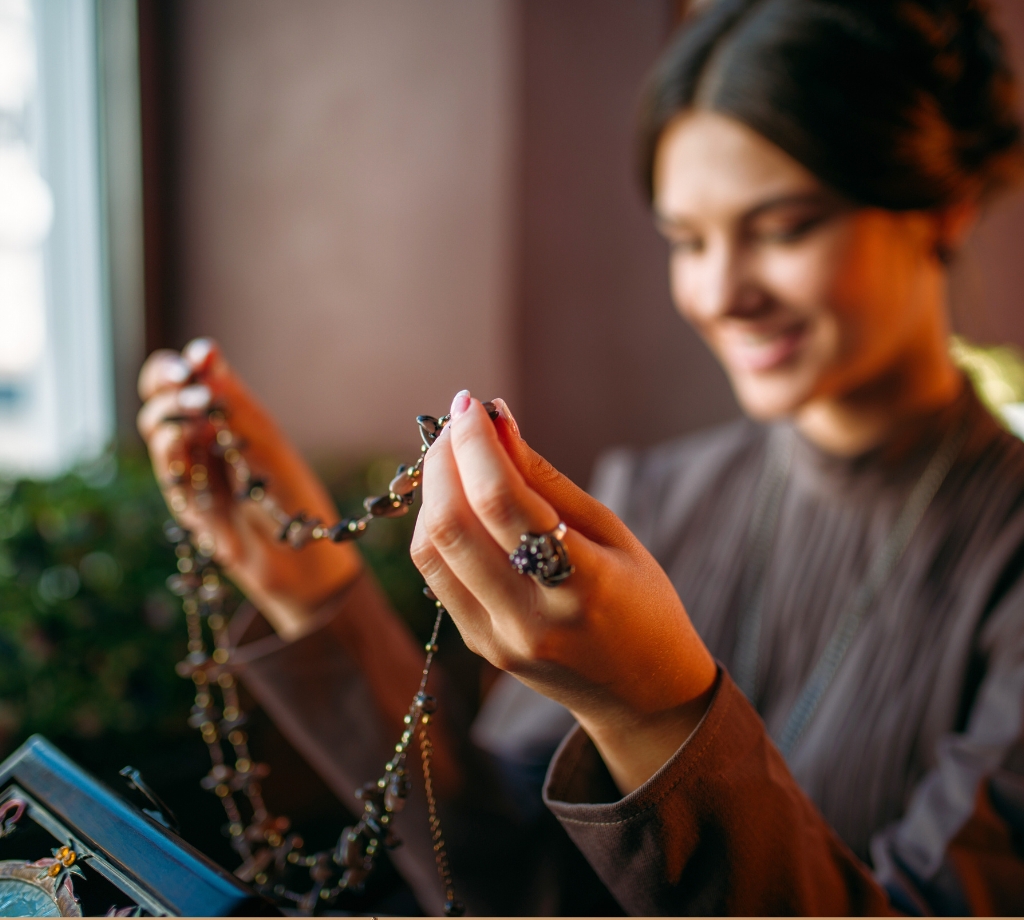
Antique jewelry carries a kind of value that’s hard to price at a glance — historical significance, craftsmanship from eras no longer in production, and materials that may not match modern market standards. Finding the right place to sell means finding a buyer who understands all of that, not just someone who can weigh gold and quote a number based on scrap value alone.
Vasco Assets, a licensed and bonded luxury asset firm based in Newport Beach, buys antique and estate jewelry with an eye toward historical and craftsmanship value, not just melt weight. Knowing what you actually own, and where that kind of piece tends to find its best buyer, makes all the difference in what you walk away with.
How Do I Know If My Jewelry Is Antique, Vintage, or Estate?
One of the first questions to answer before selling is what type of jewelry you actually own. Although the terms antique, vintage, and estate are often used interchangeably, they describe different things, and understanding the distinction can help you set realistic expectations about value and the most appropriate selling channel.
| Term | Meaning |
| Antique | Generally 100 years old or more |
| Vintage | Older jewelry that is less than 100 years old |
| Estate | Previously owned jewelry of any age |
An antique piece is typically at least 100 years old and may date to periods such as the Victorian, Edwardian, or Art Deco eras. These pieces are often valued not only for their materials but also for their craftsmanship, rarity, and historical significance, which is why two rings of similar size and metal content can carry very different price tags. Vintage jewelry is newer than antique jewelry but still reflects the design trends and manufacturing techniques of an earlier era, giving it its own distinct market. Estate jewelry simply means the piece has had a previous owner — it can be antique, vintage, or even relatively modern, so the term alone doesn’t tell you much about age or rarity.
Correctly identifying your jewelry helps determine where it may attract the most interest. A rare antique ring with documented provenance may appeal to collectors or auction houses, while a vintage designer bracelet may be better suited to a specialty luxury buyer or consignment. Regardless of age, the Federal Trade Commission’s Jewelry Guides emphasize the importance of accurately describing jewelry and avoiding misleading claims about its characteristics or value. If you’re unsure which category your jewelry falls into, a professional evaluation can identify its approximate age, construction methods, hallmarks, and maker’s marks — details that often influence both market demand and resale value far more than age alone.
Why Antique Jewelry Needs Specialized Evaluation
Antique jewelry differs from modern pieces in ways that matter a great deal to its value. Older cutting styles, like old European or old mine cuts, don’t grade the same way modern round brilliants do, and settings from earlier eras often reflect hand-craftsmanship that current mass production doesn’t replicate. A buyer unfamiliar with these distinctions may undervalue a piece simply because it doesn’t match modern expectations for symmetry or sparkle.
This is exactly where general jewelry stores and pawn shops tend to fall short. They’re built around evaluating current-market pieces, not assessing a century-old brooch or a Victorian-era ring on its own historical and craftsmanship merits, which often means real value gets left on the table when sellers default to whatever’s closest or most convenient.
Option 1: Specialized Luxury Asset Buyers
A specialized buyer experienced with antique and estate jewelry is generally the strongest option for accurate valuation. Vasco Assets evaluates engagement rings, diamonds, gold, precious stones, and designer pieces, including antique and estate jewelry, giving sellers a single trusted source rather than needing to shop a piece around to multiple specialists just to get a fair read.
The process typically starts with a free valuation, followed by a physical inspection to confirm the item’s TruValue. Once you accept an offer, payment is generally issued the same day, which makes this option strong for sellers who want both accuracy and speed, without sacrificing one for the other.
Option 2: Consignment for Rare or Distinctive Pieces
If your antique piece is particularly rare, well-documented, or historically significant, consignment can be worth considering. Instead of an immediate payout, your piece is showcased to an existing base of buyers actively interested in luxury and antique items, and most consigned pieces sell within 60 to 90 days, sometimes faster depending on demand.
This option tends to work best for pieces that benefit from being seen by multiple interested collectors rather than priced by a single buyer on the spot. A rare antique brooch or a signed period piece, for example, may see a stronger outcome through consignment than through an immediate sale, though it does require patience and a willingness to wait for the right buyer to come along.
Option 3: Auction Houses
Auction houses are another path, particularly for exceptionally rare or historically documented pieces. This route can generate strong results for items with significant provenance, but it typically comes with seller’s commissions, longer timelines, and no guarantee the piece sells at or above your expectations on a given sale date, since auction outcomes depend heavily on who happens to be bidding that day.
Auction houses tend to make the most sense for pieces with museum-quality provenance or well-known maker’s marks, where the additional marketing reach can meaningfully affect the final price. For most antique jewelry, a specialized buyer or consignment service offers a faster, more predictable path without the uncertainty that comes with a live auction outcome.
Option 4: Estate Sales and Private Buyers
Estate sales and private buyers are common but riskier options. Without a specialist evaluating the piece, you risk underselling a valuable item to someone who doesn’t recognize its historical significance, or overselling to a buyer who later disputes the transaction after the fact. Private sales also carry inherent safety and payment-reliability concerns that a licensed buyer simply doesn’t present.
If you go this route, having an independent appraisal in hand before negotiating gives you a stronger position and protects you from accepting an offer well below the piece’s actual value. Without that documentation, you’re essentially negotiating blind against someone who may know far more about the piece than you do.
Comparing Your Options
Each path serves a different priority, and understanding the trade-offs helps you choose the right one for your specific piece rather than defaulting to whichever option is simply the most familiar.
| If you want… | Better option |
| Fast, same-day payment | Specialized luxury asset buyer |
| Potentially higher price for a rare or documented piece | Consignment or auction house |
| To avoid seller’s commissions | Specialized luxury asset buyer |
| Access to a curated collector audience | Consignment |
| Museum-quality provenance recognized by specialists | Auction house |
Most antique jewelry owners are best served by a specialized buyer or consignment, reserving auction houses for pieces with truly exceptional documentation and history that justify the wait and the commission.
What Determines Your Antique Jewelry’s Value
Several factors shape what any of these paths will ultimately offer. Age and provenance matter significantly — a piece with documented history or a known maker’s mark generally commands more than a similar undocumented piece, since that paperwork removes uncertainty for the buyer. Craftsmanship, including hand-set stones or period-specific techniques, adds value that a modern equivalent wouldn’t carry, even if the raw materials are comparable.
Condition also plays a major role, since antique pieces can show wear that affects both appearance and structural integrity after decades or a century of use. Gemstones within antique settings should be evaluated on their own merits, including whether they’ve been treated, since treatment status affects value the same way it would in a modern stone. A knowledgeable buyer accounts for all of these factors rather than pricing solely on gold weight, which is exactly the kind of oversimplified approach that costs sellers real money.
Preparing Your Antique Jewelry Before Selling
A little preparation can meaningfully improve the outcome regardless of which path you choose. Gathering any existing documentation — receipts, prior appraisals, family history, or maker’s marks you’re aware of — gives a buyer more to work with and can support a stronger valuation right from the start. If you’re unsure of a piece’s history, even basic details like where it was acquired or roughly how long it’s been in the family can help a specialist narrow down its likely era and origin.
It’s generally best to avoid attempting to clean or repair an antique piece yourself before a valuation, since well-intentioned polishing or repair work can sometimes damage delicate settings or original finishes that contribute to a piece’s value. Leaving that assessment to a professional protects both the piece and your eventual payout.
Take the Next Step
If you own antique or estate jewelry and want to know its actual value, the fastest way to find out is a free valuation. Vasco Assets, based in Newport Beach, CA, evaluates antique and estate pieces with attention to historical and craftsmanship value, not just raw materials.
There’s no cost to get a valuation, and no obligation to sell once you have it. Reach out today and see what your antique jewelry could be worth in today’s market.
Frequently Asked Questions
What’s the difference between antique, vintage, and estate jewelry?
Antique jewelry is generally 100 years old or more. Vintage jewelry is older but less than 100 years old. Estate jewelry simply means it’s previously owned, regardless of age.
Where’s the best place to sell antique jewelry?
A specialized buyer experienced with antique and estate pieces, like Vasco Assets, generally offers the most accurate valuation and fastest payout.
Should I consign my antique jewelry instead of selling it outright?
Consignment can result in a higher price for rare or distinctive pieces, but it typically takes 60 to 90 days. Outright selling is faster and more predictable.
Are auction houses a good option for antique jewelry?
Auction houses work best for pieces with exceptional provenance or documented history. For most antique jewelry, a specialized buyer or consignment service is faster and more predictable.
How is antique jewelry valued differently from modern pieces?
Antique jewelry is evaluated for craftsmanship, historical significance, and provenance in addition to material value, in line with the accurate-description standards outlined in the FTC’s Jewelry Guides.
Do I need documentation to sell an antique piece?
No, but documentation of provenance, maker’s marks, or history can support a stronger valuation when available.
Is there a cost to get my antique jewelry valued?
No. Valuations are free and come with no obligation to sell.