
5 Examples Of Luxury Goods You Can Invest In
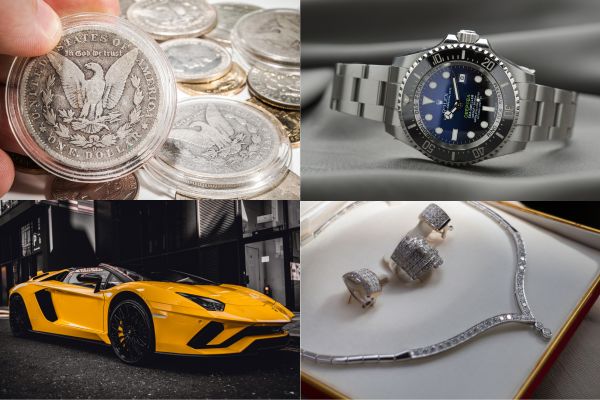
The ultra-wealthy have known it for generations — some of the most resilient stores of value aren’t sitting in a brokerage account. They’re hanging on a wrist, locked in a vault, or parked in a climate-controlled garage.
According to the Knight Frank Luxury Investment Index, categories like jewelry, watches, coins, and classic cars all posted positive value growth in 2024 — even as financial markets remained volatile. Vasco Assets has spent over 35 years helping clients buy, sell, and leverage exactly these kinds of tangible assets.
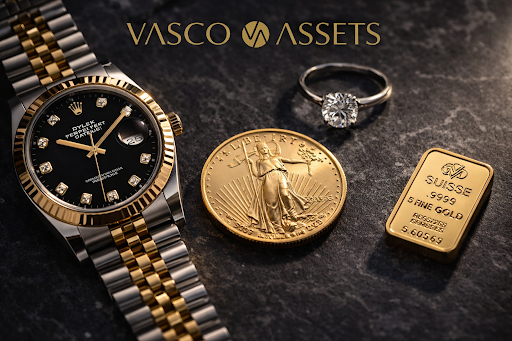
What Makes a Luxury Good a Smart Investment?
Not every expensive item qualifies as a sound investment. According to Investopedia, investment-grade luxury collectibles share a few key traits: limited availability, strong brand heritage, demonstrable craftsmanship, and a track record of resale demand. These factors combine to create scarcity — and scarcity is what drives appreciation over time.
Unlike stocks or bonds, luxury assets don’t move in lockstep with financial markets. This makes them a meaningful hedge during economic downturns and a genuine diversification tool for investors who want exposure beyond Wall Street. The Knight Frank Wealth Report consistently shows that high-net-worth individuals allocate a meaningful portion of their portfolios to tangible assets for exactly this reason.
1. High-End Watches
Luxury watches remain a standout investment. Brands like Rolex, Patek Philippe, and Audemars Piguet — especially discontinued or limited editions — continue to appreciate on the secondary market. The Knight Frank Luxury Investment Index showed values rising 1.7% in 2024, signaling steady demand despite a softer year for collectibles.
What separates an investment-grade watch from a luxury purchase is a combination of brand legacy, mechanical complexity, production scarcity, and provenance. A reference with a racing history, a celebrity association, or an unusually small production run will consistently outperform a standard model from the same manufacturer. Condition and originality matter enormously — unpolished cases and original dials command significant premiums among serious collectors.
What to Look for Before Buying
Research is non-negotiable in the watch market. Understand which references have historically appreciated, verify authenticity through a reputable dealer, and retain all original paperwork and packaging. These details are the difference between a watch that holds value and one that doesn’t.
2. Rare Coins
Coin collecting is one of the oldest investment strategies in existence, and it remains relevant today. Rare coins carry both intrinsic metal value and collector premium — a combination that can make them surprisingly resilient. The Knight Frank Index showed coins appreciating by 2.1% in 2024, outpacing watches and classic cars in that period.
Bullion coins — such as the American Gold Eagle or the South African Krugerrand — are valued primarily for their precious metal content and are a straightforward entry point for new investors. Numismatic coins, on the other hand, derive much of their value from rarity, historical significance, and condition. A coin minted during a pivotal historical period in exceptional condition can fetch multiples of its melt value at auction.
Grading and Condition
Coin condition is graded on a standardized scale, and even minor differences in grade can translate to dramatic differences in price. Coins should be professionally graded and authenticated before purchase or sale to ensure accurate valuation and buyer confidence.
3. Precious Metals and Stones
Gold has served as a store of value for thousands of years, and its role in modern investment portfolios hasn’t diminished. Physical gold — whether in bar, coin, or bullion form — is widely regarded as an inflation hedge and a safe-haven asset during periods of economic uncertainty. Silver and platinum offer similar characteristics, with platinum carrying additional industrial demand that can influence its price trajectory.
Precious stones occupy a distinct niche. High-quality diamonds, rubies, sapphires, and emeralds can be valuable, but proper grading is essential. For diamonds, the four Cs — cut, clarity, color, and carat — determine worth, and only top-tier stones typically see strong appreciation. Vivid, minimally treated colored stones are especially prized by investors.
4. Luxury Automobiles
Some cars go far beyond transportation. Limited-production models, motorsport icons, and culturally significant vehicles can become highly valuable collectibles. The 1962 Ferrari 250 GTO is the most extreme example, but appreciation has been seen across a wide range of classic and exotic cars.
The Knight Frank Wealth Report highlights classic cars as a steady part of ultra-high-net-worth portfolios, valued for their tangibility and long-term resilience. Condition is critical — original parts, matching numbers, documented history, and low mileage separate appreciating assets from the rest. While storage and maintenance costs matter, the right vehicle can justify them.
Knowing Which Cars Appreciate
Not every luxury car will gain value. Limited-edition models, discontinued nameplates, and vehicles with competition history tend to perform best. Consulting with specialist brokers and tracking auction results over time is the most reliable way to identify which cars have genuine investment potential.
5. Fine Jewelry
Fine jewelry is one of the most accessible entry points into luxury investing, combining intrinsic material value with aesthetic appeal and, in the right pieces, significant collector demand. Jewelry posted 2.3% growth in the Knight Frank Luxury Investment Index in 2024 — the strongest performance among the major luxury collectible categories tracked that year.
Jewelry from iconic houses like Cartier, Van Cleef & Arpels, Tiffany & Co., and Bvlgari commands premiums for brand and craftsmanship. Vintage pieces with strong provenance can appreciate as styles cycle back into demand. Pieces featuring exceptional diamonds or vivid colored gems also hold solid resale value based on stone quality alone.
Turning Jewelry Into Liquidity
One of the advantages of fine jewelry as an investment is flexibility. If you own pieces that are sitting unused, you may be holding more value than you realize. Vasco Assets’ Sell Your Assets service provides free TruValue Valuations on jewelry, diamonds, watches, coins, and more — with same-day payment available if you choose to sell. There’s no obligation and no pressure; just an accurate, professional assessment of what your pieces are worth on today’s market.
The Risks Worth Understanding
Luxury goods investing is not without its challenges. Counterfeit pieces are a real concern across watches, jewelry, and coins — authentication from a certified expert is essential before any significant purchase. Storage, insurance, and maintenance costs add to the total cost of ownership and should be factored into any return calculation.
Market demand for specific categories can also shift. A watch reference that commands a premium today may soften as collector tastes evolve. Staying informed about market trends, tracking auction results, and maintaining relationships with reputable dealers are the habits that separate successful luxury investors from those who overpay and undersell.
Where Patience Meets Strategy
Luxury goods investing rewards those who do their homework, buy with discipline, and hold with patience. The categories covered here — watches, coins, precious metals and stones, luxury automobiles, and fine jewelry — each offer a distinct risk and return profile, and the best portfolios often include more than one.
Whether you’re buying your first investment-grade piece or looking to understand the true value of what you already own, a professional appraisal is always the right starting point. Contact Vasco Assets today for a free, no-obligation valuation on any luxury asset in your collection.
Frequently Asked Questions
Are luxury goods a good investment?
Luxury goods can be a sound investment when chosen carefully. Items with limited production, strong brand heritage, and proven resale demand — such as certain watches, rare coins, fine jewelry, and classic cars — have historically shown long-term value appreciation and can serve as a meaningful hedge against market volatility.
Which luxury goods appreciate the most in value?
Performance varies by category and specific item. According to the Knight Frank Luxury Investment Index, jewelry, coins, and watches have all shown positive growth in recent years. Within each category, rarity, condition, provenance, and brand reputation are the primary drivers of appreciation.
How do precious metals differ from precious stones as investments?
Precious metals like gold, silver, and platinum are valued primarily for their metal content and trade on global commodity markets, making them relatively liquid and straightforward to price. Precious stones require expert grading and are less liquid, but exceptional examples — particularly large, high-quality diamonds or vivid colored gems — can deliver strong returns in the right market conditions.
What makes a luxury watch investment-grade?
Investment-grade watches typically come from established heritage brands, feature limited or discontinued production, and have documented provenance with original parts and paperwork. Condition, reference number, and production history all significantly influence value in the secondary market.
Is fine jewelry from a designer brand worth more at resale?
Generally, yes. Pieces from recognized houses like Cartier, Van Cleef & Arpels, and Tiffany & Co. carry brand premiums that support resale value. Vintage pieces with historical significance or exceptional gemstones can appreciate substantially beyond their original retail price.
How do I know if my luxury items are worth selling?
The best way to find out is through a professional valuation. Vasco Assets offers free TruValue Valuations on jewelry, watches, coins, precious metals, and more — with no obligation to sell. The process is fast, accurate, and gives you a clear picture of what your pieces are worth on today’s market.
What are the main risks of investing in luxury goods?
Key risks include counterfeits, condition deterioration, shifting collector demand, and the costs of storage and insurance. Thorough authentication before purchase, proper maintenance, and staying informed about market trends are the most effective ways to manage these risks.