
The Best Luxury Accessories Brands That Can Provide Excellent ROI When Selling
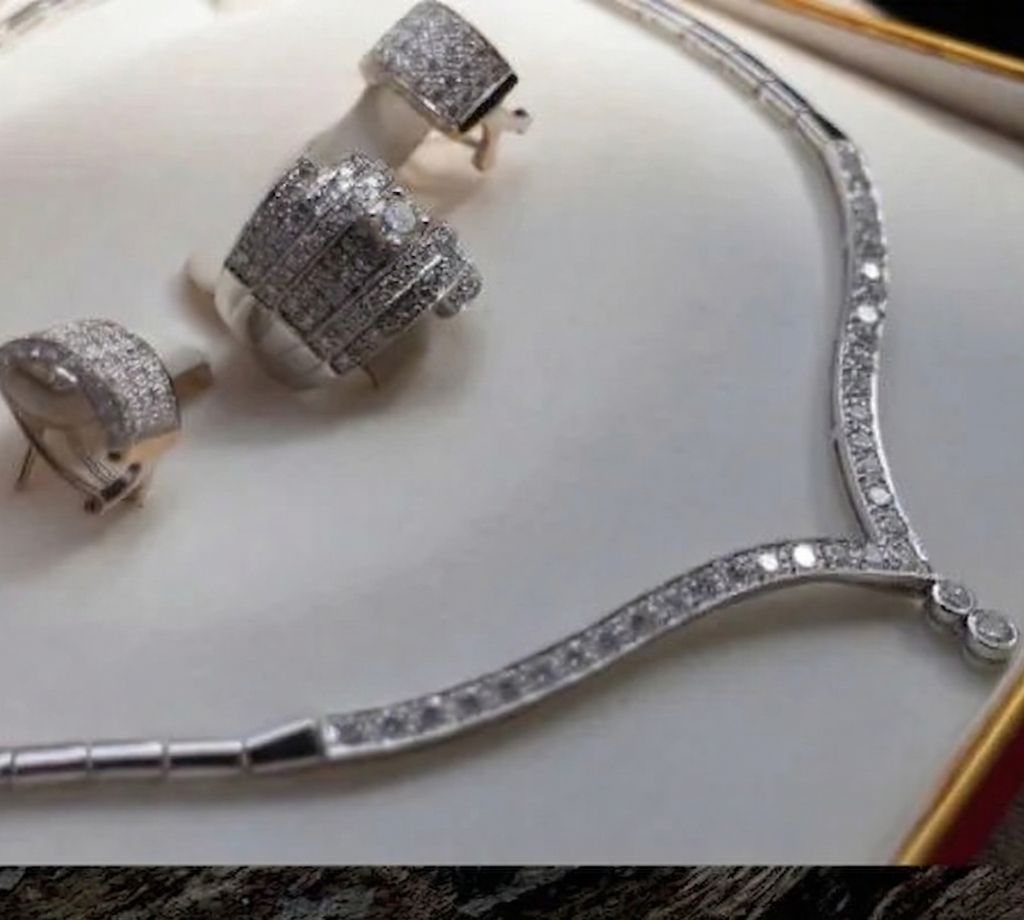
Spending on handbags, watches, or fine jewelry can be a smart investment for the right pieces. The luxury resale market now rivals traditional assets. This guide provides data-backed resale figures, case studies, and practical strategies to maximize returns. For expert valuations, visit Vasco Assets, a licensed luxury investment firm with 150+ years of experience.
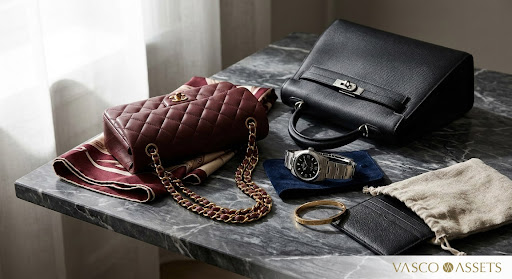
The Market Behind the Money
The global secondhand luxury market is no longer a niche curiosity — it is a global economic force. According to a 2025 BCG and Vestiaire Collective report, the secondhand fashion and luxury market is currently valued at $210–$220 billion and projected to reach $320–$360 billion by 2030. Growing at roughly 10% annually, it is expanding three times faster than the primary luxury market.
Handbags lead the luxury resale market, making up 40% of surveyed consumers’ wardrobes. Watches and fine jewelry are also rising, with watch resale expected to reach 35–40% of the global market by 2030. For buyers and sellers, this means strong ROI opportunities in a growing, transparent, and liquid secondary market.
Which Accessories Retain Value Best?
Data from Rebag’s Comprehensive Luxury Appraisal Index (Clair Report), compiled from real transaction data, provides one of the most reliable benchmarks for resale retention across categories.
Handbags
| Brand | Average Resale Retention |
| Hermès | ~90% of retail value |
| Louis Vuitton | ~80% of retail value |
| Chanel | ~75% of retail value |
Hermès leads due to its legendary craftsmanship and famously restricted production runs. Louis Vuitton gained 17 percentage points year-over-year in the Rebag data, while Chanel climbed 12 points over the same period. Individual standouts include the Louis Vuitton Eva Handbag, which has sold at 167% of its original retail price — buyers have paid more for a used version than a new one.
Fine Jewelry & Watches
| Brand | Average Resale Retention |
| Van Cleef & Arpels | ~95% of retail value |
| Rolex | ~82% of retail value |
| Cartier | ~74% of retail value |
Van Cleef & Arpels tops the jewelry category with near-full value retention. The Rolex Oyster Perpetual Cosmograph Daytona has achieved 144% of its original retail price in resale markets. The Cartier Love Bracelet has reached 102% retention — effectively making it a zero-cost ownership proposition for those who eventually sell.
Small Leather Goods & Accessories
| Brand | Accessories Resale Retention |
| Louis Vuitton | ~92% of retail value |
| Saint Laurent | ~80% of retail value |
| Chanel | ~79% of retail value |
This category offers some of the most impressive ROI figures for entry-level luxury buyers. Cardholders average 102% of retail at resale, pochettes retain about 97%, and cosmetic cases come in at 92%. The Louis Vuitton Kirigami Pochette Set holds 99% of its value — a near-perfect preservation figure for a relatively accessible accessory.
Luxury Accessories That Beat the Market: Case Studies
Hermès: The Alternative Asset Class
No luxury brand matches Hermès for investment-grade status. The Birkin and Kelly bags are portfolio assets: the Mini Kelly II gained ~300% from 2022–2025, far outpacing the S&P 500’s ~43%, while the Birkin rose ~285%. Hermès’ limited supply and artisan craftsmanship keep demand high. At auction, a pink diamond Birkin sold for $223,000 in 2015, showing the ceiling-less potential of the right piece.
Rolex: The Watch That Pays You Back
The Rolex Submariner is perhaps the most reliably profitable watch in the secondary market. The Rolex Oyster Perpetual Submariner has traded at 116% of its retail price at resale, and the Daytona at 144%. The reason is structural: Rolex produces each watch by hand in Switzerland and deliberately limits supply below demand. This scarcity-by-design dynamic mirrors Hermès’s strategy and produces similar resale outcomes. Rolex has also launched a formal Certified Pre-Owned program, offering factory-authenticated timepieces with a two-year international warranty through authorized dealers — a move that further legitimizes and stabilizes the secondary market for the brand.
Chanel Classic Flap: Seven Decades of Appreciation
The Chanel Classic Flap Bag, first launched in 1955, has seen its value appreciate nearly 70% over the past six years. Chanel’s consistent retail price increases — which have been documented to outpace inflation — have had the side effect of continuously lifting resale values for older pieces. Owning an earlier-vintage Chanel Flap bought at retail is often worth more than buying the same model new today.
The Best Luxury Brands for ROI
Hermès
Hermès leads in accessories investment. Beyond the Birkin and Kelly, scarves, belts, and small leather goods retain value exceptionally well. Access is limited — many pieces require an established purchase history — which makes ownership highly valuable.
Chanel
Chanel combines heritage, scarcity, and strong brand management. The Classic Flap, 2.55, and Boy Bag are top investment pieces, while entry-level accessories retain ~79% of value. Annual retail price increases support secondary market performance.
Louis Vuitton
Louis Vuitton offers the deepest catalog of high-retention accessories with accessible entry points. Canvas pieces in Monogram and Damier hold value well and sell quickly due to global brand recognition, supporting liquidity.
Rolex
Rolex is the most liquid luxury watch brand. The Submariner, Daytona, and GMT-Master II often trade above retail. Complete box and papers are essential, as full provenance commands a premium.
Patek Philippe
Patek Philippe sits at the top of watch investment. Nautilus and Aquanaut models trade at multiples of retail. Entry costs are high, but upside is significant, making it ideal for serious watch investors.
Cartier
Cartier delivers consistent results in jewelry and watches. The Love Bracelet and Juste un Clou are standout investments, while the Tank watch remains highly desirable, with vintage models fetching strong premiums.
Van Cleef & Arpels
Van Cleef leads fine jewelry resale at ~95% retention. The Alhambra line — especially discontinued or limited-edition motifs — commands significant premiums. The Magic Alhambra 6 Motif Necklace retains ~80% of retail value.
Bottega Veneta, Saint Laurent, Fendi
Bottega’s Pouch and Jodie bags retain 60–70% of value. Saint Laurent accessories average ~80% retention. Fendi’s Baguette, particularly in limited-edition materials, has achieved collector status.
What Drives Resale ROI: The Key Factors
Controlled scarcity
Brands like Hermès and Rolex intentionally produce fewer units than demand to protect equity and sustain resale premiums. Mass-produced items, even from prestigious brands, depreciate faster.
Retail price increases
When houses like Chanel, Hermès, and Louis Vuitton raise prices, existing pieces gain value. A Chanel Flap bought five years ago is worth more today because new ones cost significantly more.
Timeless, iconic design
Pieces like the Birkin, Classic Flap, Submariner, and Love Bracelet are designed for permanence. Trend-driven items depreciate quickly as fashion cycles change.
Condition, packaging, and documentation
Pristine items with original box, dustbag, receipt, and care card can command 20–30% more at resale. Maintaining original packaging and authentication is essential for maximum ROI.
What Kills ROI: Pitfalls to Avoid
Not every luxury purchase is an investment. Trend-driven and high-volume pieces depreciate fastest, regardless of brand name. Heavy wear without proper maintenance destroys resale price across every category. Fashion jewelry priced below the fine jewelry threshold rarely retains meaningful value. And buying on the secondary market at an inflated price — rather than retail — compresses your potential return before you even begin.
The guiding principle is simple: buy classic over trendy, scarce over mass-produced, and keep everything that came in the box.
Why the Secondary Market Is Only Getting Stronger
Three structural forces are reinforcing luxury accessory values on the secondary market. Digital authentication technology — cited by 70% of resale buyers as the most important platform feature, per the BCG/Vestiaire Collective report — has reduced counterfeit risk and boosted buyer confidence, directly supporting higher resale prices. Gen Z buyers now source 32% of their wardrobes secondhand, rising to 45% for handbags, creating durable long-term demand that will continue lifting values across categories. And the rise of brand-operated resale programs — such as Rolex’s Certified Pre-Owned program — is formalizing the secondary market in ways that reduce friction and increase buyer confidence, further supporting price stability.
Where to Sell for Maximum Return
Matching the right piece to the right channel is as important as condition. The RealReal, Fashionphile, and Vestiaire Collective are best for handbags and accessories, offering global reach and built-in authentication. Chrono24 and Watchfinder are the preferred platforms for timepieces. Christie’s and Sotheby’s are the right choice for exceptional or rare pieces where competitive bidding can push prices well beyond estimates. For sellers seeking expert valuation and a fast, secure transaction, working with a licensed luxury asset firm delivers the best combination of speed and realized price.
Ready to unlock the value of your luxury accessories? Vasco Assets is a licensed and bonded luxury investment firm based in Newport Beach, CA, with over 150 years of combined expertise in luxury buying. Visit us at 2024 Quail Street, Newport Beach, CA 92660, call +1 (949) 593-6125, or email info@vascoassets.com.
FAQs
What luxury accessories have the best resale value?
Hermès bags (Birkin, Kelly), Rolex watches (Daytona, Submariner), and Van Cleef & Arpels jewelry consistently lead. Hermès averages ~90% of retail, Van Cleef & Arpels ~95%, and select Rolex models have sold above retail on the secondary market.
Is buying luxury accessories a good investment?
Yes, for iconic, scarce pieces from proven brands. For example, the Hermès Mini Kelly II reportedly appreciated over 300% between 2022–2025. Trend-driven or poorly maintained items can depreciate quickly.
How do I maximize the resale value of my luxury accessories?
Maintain excellent condition, keep original packaging, retain receipts and authentication, and favor classic designs. Packaging and documentation alone can add 20–30% to resale value.
Which luxury handbag brands hold their value best?
Hermès (~90% resale), Louis Vuitton (~80%), and Chanel (~75%). Some Louis Vuitton pieces, like the Eva Handbag, have sold above retail.
Where is the best place to sell luxury accessories?
Platforms depend on the item: The RealReal, Fashionphile, and Vestiaire Collective for handbags; Chrono24 and Watchfinder for watches; Christie’s and Sotheby’s for rare pieces. Licensed luxury asset firms offer fast, secure, expertly valued sales.
Does condition really affect resale price that much?
Yes. A pristine item with full documentation can fetch 20–30% more than a worn item missing packaging. Proper storage and cleaning improve resale outcomes.
What watches are worth the most on the resale market?
Rolex and Patek Philippe dominate. Daytona has traded at 144% of retail, Submariner at 116%. Patek Philippe’s Nautilus and Aquanaut often sell for multiples of retail. Full box and papers significantly increase value.
How do I know if my luxury item is worth selling now?
Condition and demand matter more than timing. Pieces from top brands in excellent condition with original documentation perform well. Professional appraisals provide current market value.