
Selling Vintage Jewelry: Tips to Maximize Your Earnings
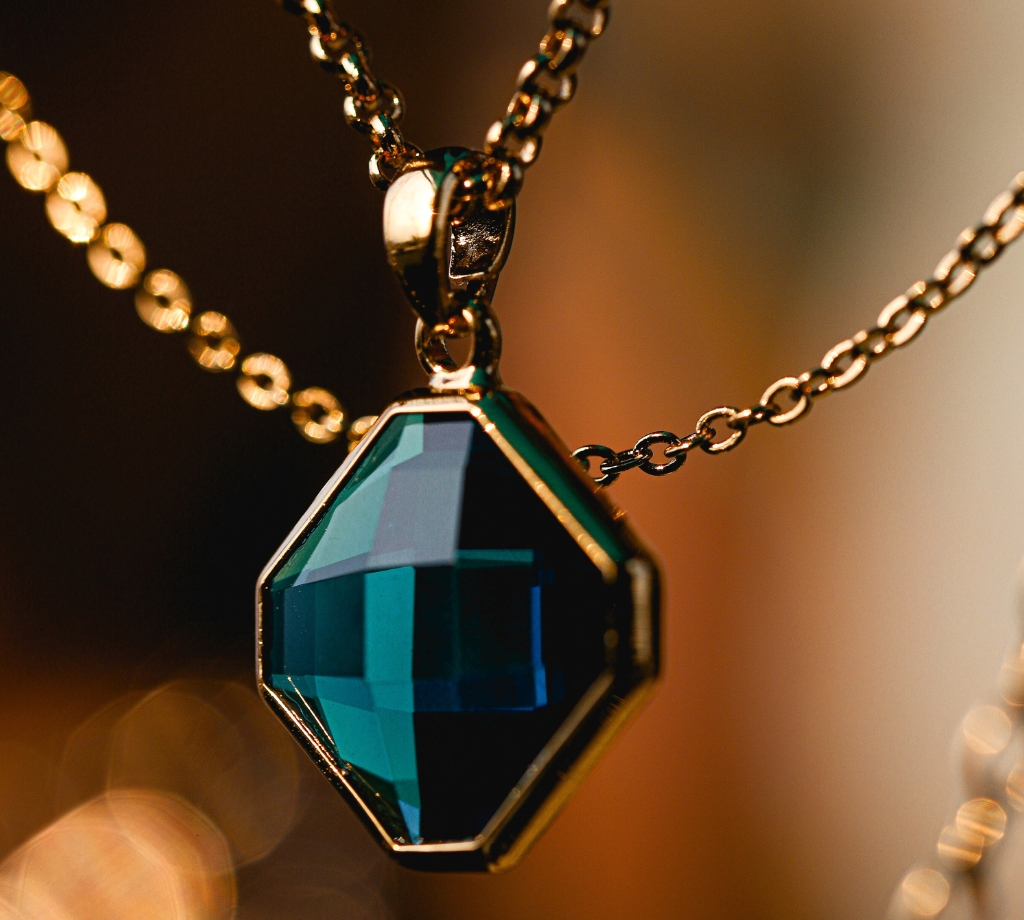
That brooch sitting in a drawer, the Art Deco ring inherited from a grandmother, the mid-century bracelet you never wear — vintage jewelry has a way of accumulating quietly while its value grows. The difference between walking away with a fair price and leaving money on the table almost always comes down to preparation.
Vasco Assets has helped thousands of sellers across the country turn pieces they’d forgotten about into same-day payouts, and the process starts long before you ever hand anything over.
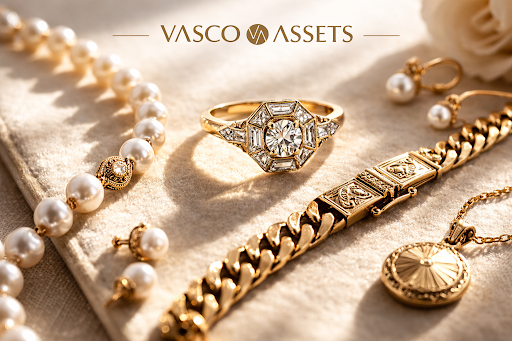
Know What You’re Selling
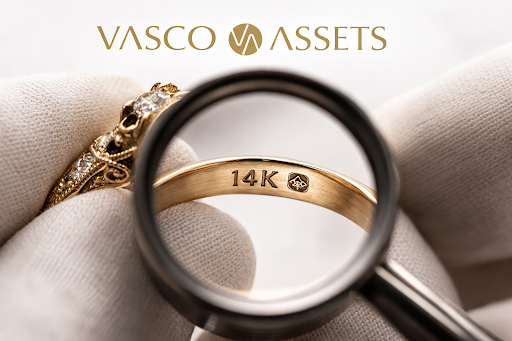
The first step to maximizing your earnings is understanding exactly what you have. Check every piece for hallmarks or stamps — markings like 14K, 18K, 925, or PLAT indicate the metal content and directly affect value. These details matter to buyers and appraisers alike, and knowing them upfront puts you in a stronger negotiating position.
For pieces with gemstones, designer signatures, or historical provenance, a professional appraisal is worth pursuing before you list or sell anything. According to the Jewelers of America, a proper appraisal report goes far beyond a rough estimate — it documents materials, craftsmanship, and market value in a way that builds buyer confidence and justifies your asking price.
Vintage, Antique, or Estate — The Classification Matters
Not all old jewelry is valued the same way. Vintage pieces are generally 20 to 100 years old, antique pieces exceed 100 years, and estate jewelry simply refers to any pre-owned item regardless of age. Each classification carries different appeal to different buyers.
Certain eras command serious premiums. Art Deco pieces from the 1920s and 30s — known for bold geometric designs and vibrant stones — are among the most collectible. Victorian and Edwardian jewelry also attract strong interest from collectors willing to pay top dollar for authentic, well-preserved examples.
Get a Professional Appraisal Before You Price Anything
Pricing vintage jewelry without an appraisal is one of the most common mistakes sellers make. The American Gem Society advises sellers to clearly separate emotional value from market value — what a piece means to you and what a buyer will pay are two very different numbers.
A certified appraisal also protects you from lowball offers. When you walk in knowing the verified value of your piece, you’re in a far stronger position to negotiate or walk away. Vasco Assets provides free TruValue Valuations with no obligation — a fast, accurate assessment from certified professionals who work with vintage and fine jewelry daily.
What Appraisals Actually Evaluate
According to the National Law Review, appraisers assess both the intrinsic material value — metal content, gemstone quality — and current market conditions. Both factors shift over time, which is why a valuation from five years ago may no longer reflect what your piece is actually worth today.
If you haven’t had your vintage jewelry looked at recently, now is a good time. Markets for colored gemstones and gold have moved significantly in recent years, and many sellers are surprised to learn their pieces are worth considerably more than expected.
Clean and Present Your Pieces Properly
Presentation has a direct impact on perceived value. A piece that looks well cared for signals to buyers that it has been maintained — and that translates into higher offers. Gently clean your jewelry using a soft cloth and mild soap, and avoid harsh chemicals that can damage vintage metals or delicate stones.
If you have original boxes, certificates, receipts, or any documentation that came with the piece, keep them together. Original packaging and paperwork add meaningful value, especially for designer or estate pieces where provenance matters to collectors.
Choose the Right Selling Channel
Where you sell determines as much as what you sell. Auction houses like Sotheby’s or Christie’s are well-suited to rare, high-value pieces with collector appeal, but they come with fees, timelines, and no guarantee of sale. Online marketplaces like eBay, Etsy, and Ruby Lane reach a wide audience but require strong photography, detailed descriptions, and patience.
The Better Business Bureau recommends getting multiple offers before committing to any buyer, and researching the reputation of whoever you’re selling to. This is especially important when dealing with pawn shops or private buyers, where offers are often well below true market value.
Why Selling Direct to a Luxury Buyer Works
For sellers who want a fast, fair, and straightforward process, selling directly to a professional luxury asset buyer cuts out the delays, fees, and uncertainty of third-party platforms. Vasco Assets buys vintage and fine jewelry outright — no listings, no waiting, no commissions — with same-day payment available once an offer is accepted.
For sellers who aren’t ready to part with their pieces permanently, consignment services are another option. Vasco’s team markets your item to an existing network of qualified luxury buyers, with most consigned pieces sold within 60 to 90 days.
Price Strategically and Be Ready to Negotiate
Once you have an appraisal and a sense of comparable sales, set your price with room to negotiate. Look at what similar pieces have recently sold for — not just what they’re listed at — and price accordingly. Certain times of year, particularly around the holidays, tend to drive stronger demand for fine and vintage jewelry.
The Consumer Reports guide on selling valuables emphasizes the importance of accurate, detailed descriptions in attracting serious buyers at full price. Vague listings invite lowball offers; specific, well-documented ones attract buyers who already understand what they’re paying for.
Consider Your Options Beyond a Straight Sale
Selling outright isn’t the only way to unlock the value of vintage jewelry. If your pieces are valued at $2,500 or more, a collateral loan through Vasco Assets lets you access cash while retaining ownership. Loan terms run from 30 to 120 days at rates between 2 and 10%, with assets stored securely and insured by Lloyd’s of London for twice the loan amount.
For pieces valued at $10,000 or more, the LuxLoc line of credit offers a revolving credit line backed by your assets — no credit inquiry, no origination fee, and no interest unless you draw on the line. It’s a flexible solution for sellers who want liquidity without permanently parting with a cherished piece.
Selling Remotely Is Easier Than You Think
You don’t need to be in Orange County to work with Vasco Assets. The Sure Secure Shipping program allows sellers anywhere in the country to send their pieces safely using a prepaid, fully insured shipping label at no cost. Items are evaluated upon arrival and an offer is made remotely — the same trusted process, just without the in-person visit.
Shipping partners include Brinks Global and Malca-Amit via FedEx, two of the most respected names in high-value jewelry transport. Every item is fully insured in transit, giving sellers complete peace of mind from the moment the package leaves their hands.
Turning Vintage Into Value
Selling vintage jewelry well is equal parts knowledge and strategy. Know what you have, get it properly appraised, present it at its best, and choose a selling channel that matches your timeline and goals.
Whether you’re looking for a fast same-day sale, a consignment arrangement, or a financial solution that keeps your jewelry in your hands, there’s a path that works for you. Contact Vasco Assets today for a free, no-obligation valuation and find out exactly what your vintage pieces are worth.
Frequently Asked Questions
What makes vintage jewelry valuable?
Value is determined by a combination of age, era, materials, gemstone quality, designer origin, condition, and current market demand. Art Deco, Victorian, and Edwardian pieces tend to command the strongest prices among collectors.
Do I need an appraisal before selling vintage jewelry?
While not legally required, a professional appraisal is strongly recommended. It gives you a verified market value, protects you from underpriced offers, and gives buyers confidence in the authenticity of your piece.
What hallmarks should I look for on vintage jewelry?
Common hallmarks include 14K or 18K for gold content, 925 for sterling silver, and PLAT or PT for platinum. Designer stamps or maker’s marks can also significantly increase value if the brand carries collector recognition.
Is it better to sell vintage jewelry online or in person?
It depends on the piece. Rare or high-value items may perform well at auction or through a direct luxury buyer. More accessible pieces can do well on platforms like Etsy or eBay, though fees and timelines vary. Selling directly to a professional buyer like Vasco Assets offers the fastest and most straightforward process.
Can I get a loan against my vintage jewelry instead of selling it?
Yes. Vasco Assets offers collateral loans starting at $2,500, with 30 to 120-day terms and rates between 2 and 10%. Your item is stored securely and returned once the loan is repaid. For items valued at $10,000 or more, a LuxLoc line of credit may also be available.
How do I sell vintage jewelry if I don’t live near Newport Beach?
Vasco Assets’ Sure Secure Shipping program allows you to send your pieces from anywhere in the country using a prepaid, fully insured shipping label provided at no cost. Items are evaluated remotely and an offer is made without requiring an in-person visit.
How quickly can I get paid for my vintage jewelry?
If you sell directly to Vasco Assets and accept the offer, payment is issued the same day. The TruValue Valuation process is fast, thorough, and completely free with no obligation to sell.