
Top 10 Luxury Watch Brands to Invest In
A luxury watch is more than an accessory — it’s a tangible asset that can hold, grow, and even outperform traditional investments over time. The pre-owned luxury watch market is already valued at over $26 billion and is forecast to reach $43 billion by 2031, growing at a compound annual rate of 7.2%. That’s not a niche hobby market. It’s a serious, active asset class.
Vasco Assets has spent over 35 years buying, lending against, and valuing luxury timepieces across every major brand. Here’s a look at the ten brands most frequently cited by collectors and investment guides for their resale performance, heritage, and long-term demand — along with what actually makes a watch worth holding.
The Top 10 Luxury Watch Brands for Investment
1. Rolex
Rolex is the anchor of the luxury watch investment market. The Submariner and Daytona are consistently among the most sought-after pre-owned references globally, and limited production combined with waitlists at authorized dealers keeps secondary market prices elevated. The Daytona Ref. 116500LN retails around $13,000 but regularly sells for $30,000+ on the secondary market. According to Crown Continental, Rolex typically shows 8–12% annual appreciation on core models.
After a COVID-era hype cycle, the brand has normalized — which is actually healthy. Rolex has re-assumed its role as the market anchor, not a speculative asset.
2. Patek Philippe
Patek Philippe is widely considered the pinnacle of Swiss watchmaking — and the strongest performer by raw ROI. Five-year data from 2019–2024 shows a 207% return on key models, according to Atlas Luxury.
The Nautilus Ref. 5711, once retailing at $30,000–$38,000, has traded above $100,000 on the secondary market. The brand produces only around 70,000 watches annually — intentional scarcity that fuels sustained demand.
3. Audemars Piguet
Audemars Piguet’s Royal Oak, launched in 1972, was the world’s first luxury sports watch in stainless steel. It remains one of the most coveted collector pieces in modern horology.
The Royal Oak “Jumbo” Ref. 15202 trades around $75,000 against a ~$35,000 retail price. AP’s boutique-only distribution strategy controls supply tightly, and as older references are discontinued, collector interest accelerates. Five-year ROI sits at approximately 158%.
4. Vacheron Constantin
One of the “Holy Trinity” of Swiss watchmaking alongside Patek Philippe and AP, Vacheron Constantin holds the title of the world’s oldest continuously operating watch manufacturer (est. 1755).
Its Patrimony and Overseas collections attract serious collectors looking for heritage, complexity, and limited availability. Secondary market performance has been steady, and the brand’s long-term prestige makes it a sound hold for patient investors.
5. Omega
Omega offers one of the strongest value propositions in the investment watch space — meaningful appreciation without the extreme price barriers of the Holy Trinity. The Speedmaster Professional “Moonwatch,” worn during NASA’s Apollo 11 mission in 1969, carries cultural significance that sustains collector demand across generations.
The Seamaster, with its James Bond association, adds another layer of enduring desirability. Per BriteCo, Omega consistently ranks among the brands that hold value best, offering an accessible entry into investment-grade horology.
6. Cartier
Cartier’s investment story has been one of the more interesting developments in the secondary market. According to Chrono24’s H1 2025 report, Cartier saw a fourfold increase in secondary market demand in the first half of 2025, driven largely by Gen Z’s preference for design-led, slimmer dress watches.
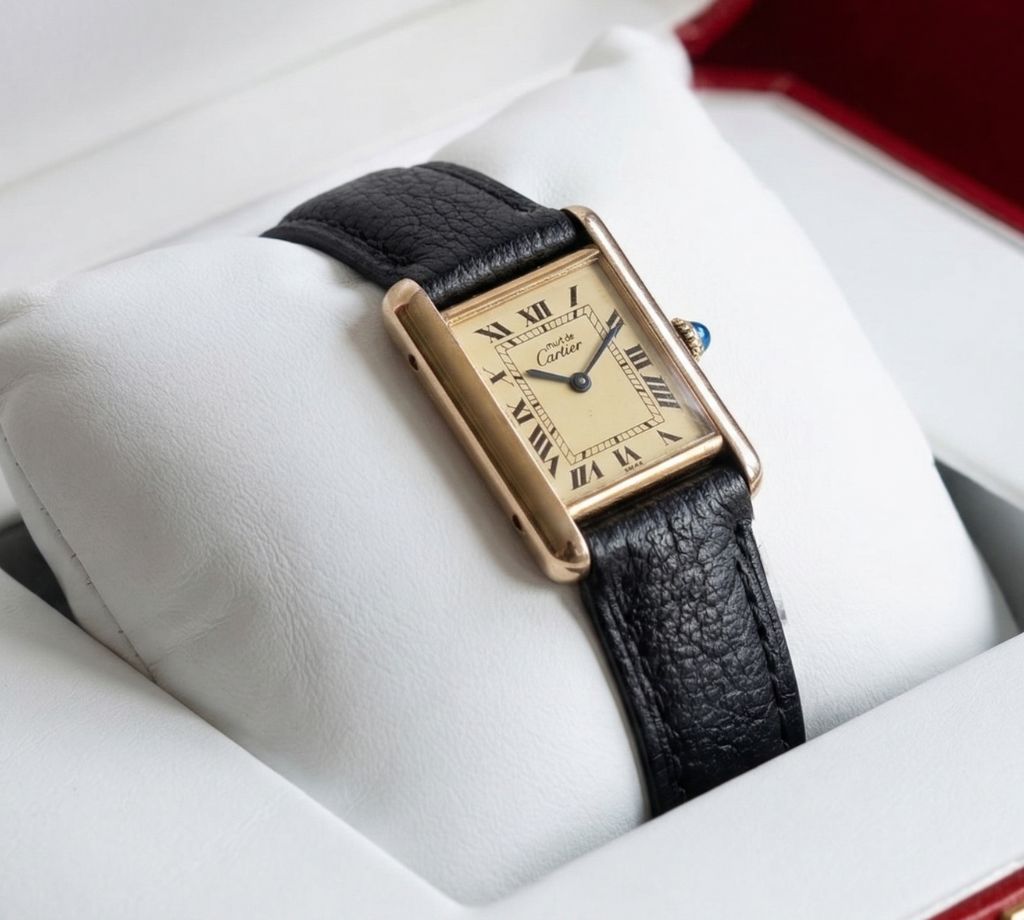
The Tank (est. 1917) and Santos (est. 1904) are classics with proven staying power. Vintage and pre-owned models from the Must de Cartier collection offer more accessible entry points with genuine appreciation potential.
7. A. Lange & Söhne
German precision, limited production, and a fiercely loyal collector base make A. Lange & Söhne one of the most respected non-Swiss names in fine horology. Some enthusiasts now include it in a “Holy Quartet” alongside the traditional Swiss three.
The Lange 1, Zeitwerk, and Datograph are particularly regarded for their investment potential. Low production numbers and high demand in niche collector circles sustain premiums in the secondary market.
8. Jaeger-LeCoultre
Often called “the watchmakers’ watchmaker” within the industry, Jaeger-LeCoultre is respected for innovation, in-house production, and complications few other brands attempt. The Reverso — with its reversible case — and the Master Control collection are among the most collector-sought references.
Select models, particularly limited editions and complicated pieces, have demonstrated strong appreciation. BriteCo lists it among the brands that consistently hold value in the luxury segment.
9. Tudor
Tudor offers one of the best risk-adjusted entry points in the investment watch space. Created by Hans Wilsdorf as an accessible counterpart to Rolex, Tudor has evolved into a respected brand in its own right — particularly for the Black Bay and Pelagos lines.
Pre-owned demand has grown steadily, and per Chrono24’s market data, Tudor has successfully captured younger collector interest. At price points starting around $3,000–$4,000, it’s one of the most accessible watches with genuine investment credibility.
10. TAG Heuer
TAG Heuer’s investment case is strongest in its vintage and limited-edition segment. The Monaco — made iconic by Steve McQueen — and the Carrera have dedicated collector followings that sustain secondary market demand.
BriteCo and Second Movement both include TAG Heuer among brands with solid resale performance, particularly for historically significant references. Standard production models hold value reasonably well but are more dependent on specific reference selection than the tier above.
What Actually Makes a Watch Investment-Grade?
Not every watch from the brands above is a good investment — and some watches from lesser-known brands can be. The difference comes down to a consistent set of factors.
Rarity and Production Numbers
Controlled supply is the single biggest driver of secondary market premiums. Rolex and Patek Philippe intentionally limit production — and when a popular reference is discontinued, scarcity accelerates appreciation. Limited editions, special dials, and unique complications all add to this dynamic. According to Second Movement, scarcity is the defining characteristic separating investment-grade pieces from regular luxury purchases.
Condition, Box, and Papers
The presence of original boxes, papers, and accessories can add 15–30% to a watch’s resale value. Unpolished cases, minimal wear, and a documented service history all command meaningful premiums. A watch that has been heavily polished loses evidence of its original finish and often sells for less — even if it looks cleaner to the naked eye.
Brand Heritage and Secondary Market Demand
Heritage brands with deep collector communities maintain demand through market cycles. Per WatchesWorld, the most reliable investment watches share consistent traits: iconic design, proven resale history, and a brand narrative that transcends trends. Always research the specific reference — not just the brand — before committing capital.
Individual Watch History and Provenance
Two watches of the same model can differ considerably in value. Prior celebrity ownership, unique dial variations, original production year, and documented provenance all influence what a piece commands at auction or in private sale. Expert appraisal is essential before buying or selling at the higher end of the market.
How to Use Your Watch to Unlock Liquidity
You don’t have to sell a watch to access its value. Vasco Assets offers free TruValue Valuations on luxury watches with no obligation to sell. For those needing liquidity without parting with a prized piece, Vasco’s collateral loans allow clients to borrow against their watch’s value with 30, 60, 90, or 120-day terms at rates averaging 5%.
The LuxLoc line of credit goes further — a revolving credit facility secured by a luxury asset valued at $10,000 or more, with no credit check, no origination fee, and no interest until funds are drawn.
For clients ready to sell, Vasco provides same-day payouts through its global buyer network. Reach out today at 2024 Quail Street, Newport Beach, CA 92660, call +1 (949) 591-8796, or email info@vascoassets.com.
Frequently Asked Questions
Are luxury watches a good investment?
For certain models from top brands, yes — they can offer portfolio diversification, low correlation with stocks, and strong long-term appreciation. However, not every luxury watch appreciates. The market corrected after the 2021–2022 hype peak, with some models declining 20–40%, though 2025 has shown stabilization and selective growth. For a deeper look, see Are Watches a Good Investment? A Beginner’s Guide.
Which brands hold their value best?
Rolex, Patek Philippe, and Audemars Piguet consistently lead on value retention and appreciation. Vacheron Constantin, Omega, and A. Lange & Söhne round out the upper tier. For brand-by-brand analysis, Investing in Luxury Watches: Strategic Insights for 2025 is a useful reference.
What should I know before investing in a luxury watch?
Set a clear budget, focus on iconic references rather than trendy models, buy from reputable dealers, and always verify authenticity and provenance. Vogue Arabia’s guide on investing in your first luxury watch covers the essentials for first-time buyers well.
How does condition affect resale value?
Significantly. Original finish, complete box and papers, and service records can add 15–30% to a watch’s value. Heavily polished or modified pieces typically sell for less. Condition and provenance are among the first things any serious buyer or appraiser will evaluate.
Does every luxury watch make a good investment?
No. Many luxury watches depreciate — particularly fashion-led models, heavily marketed pieces without strong collector followings, or standard references with high production volumes. A balanced look at the pros and cons of watch investing is worth reading before committing capital.
What market forces affect watch investment value?
Gold prices, brand production decisions, cultural moments (celebrity provenance, auction records), and broader economic conditions all influence values. The 2022–2023 correction showed that hype-driven appreciation can reverse quickly. Research on luxury watch resale and investment drivers provides useful market data.
Why does authenticity matter so much for watch investing?
A counterfeit watch has no investment value — and an incorrectly identified genuine watch can be bought or sold at the wrong price. Authenticity verification is essential before any transaction at the higher end of the market. For a primer on the risks, see this overview of counterfeit watch impacts on the market.