
Loan Against a Diamond Ring: Access Capital Without Selling
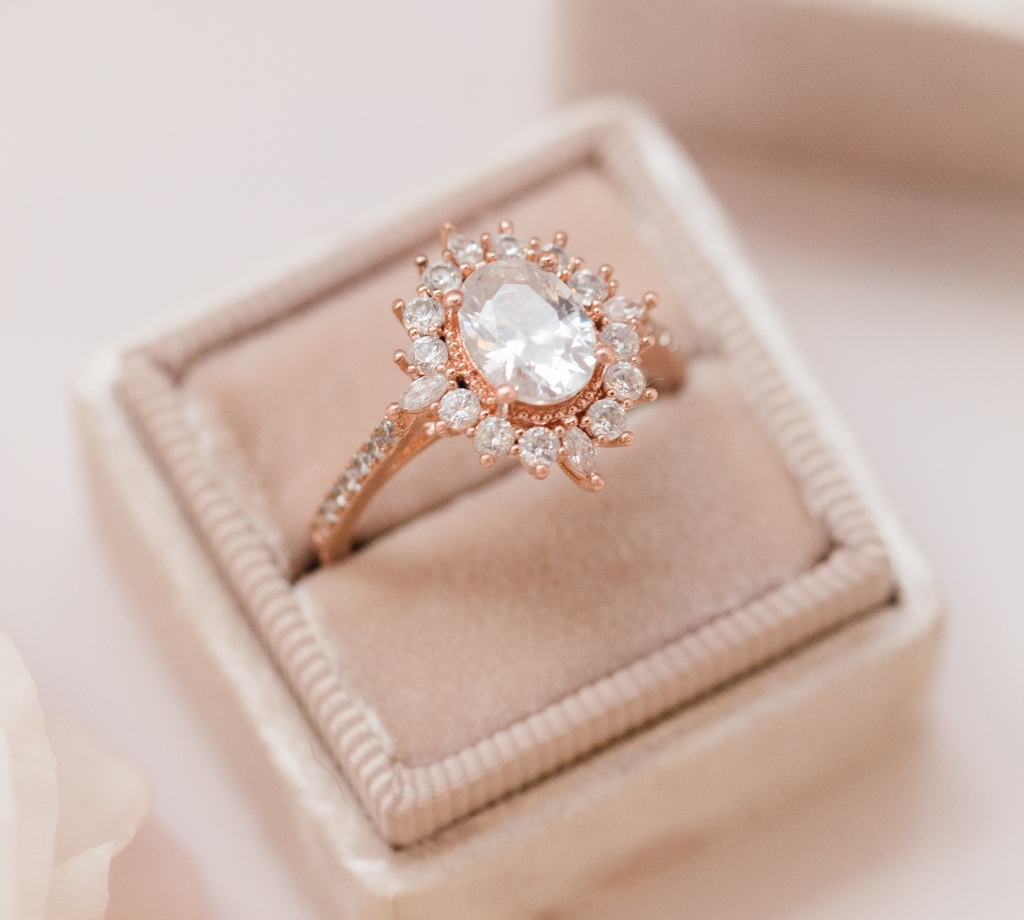
A diamond ring often carries more than financial value — it might be an engagement ring, a family heirloom, or simply something you’re not ready to part with. But that doesn’t mean it can’t help you access cash when you need it. A loan against a diamond ring lets you use the ring as collateral, unlocking capital while keeping the ring itself, rather than forcing a choice between sentiment and cash flow.
Vasco Assets offers this through LuxLoc, a credit line built around luxury assets like diamonds, so your ring can work for you financially without ever leaving your ownership behind. Whether the need is a business opportunity, an emergency, or simply financial breathing room, the ring stays a resource rather than becoming a memory.
How a Loan Against a Diamond Ring Works
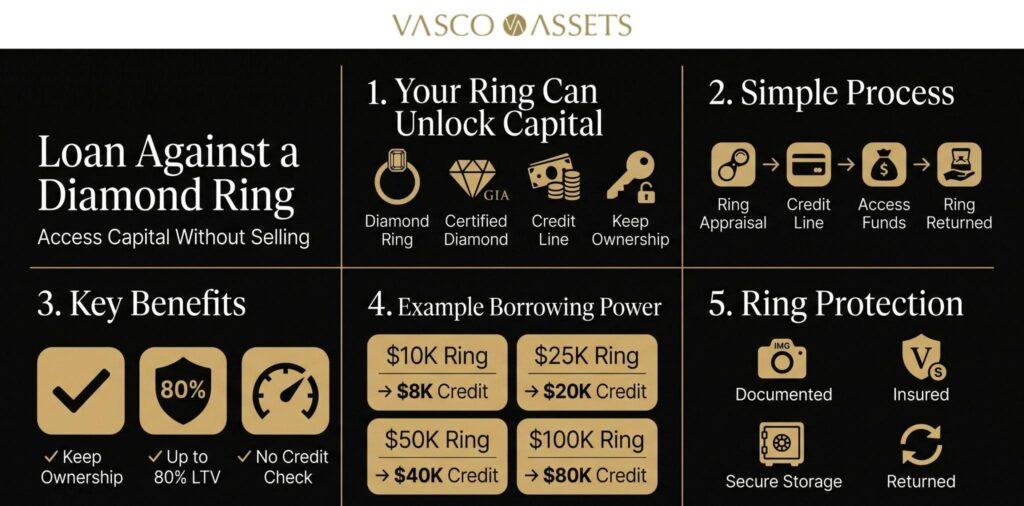
A loan against a diamond ring uses the ring as pledged collateral rather than something you sell outright. The lender evaluates the diamond’s cut, clarity, carat weight, and certification, then extends credit based on that appraised value. You retain ownership of the ring; the lender simply holds it securely for the duration of the loan or credit line.
This is fundamentally different from pawning a ring for a quick, informal loan or selling it to a diamond buyer for a one-time payout. A structured product like LuxLoc treats the ring as the basis for an ongoing credit relationship, not a single disposable transaction, which means you can draw on it, repay it, and keep the option open for future needs.
Why Diamond Rings Make Strong Collateral
Diamonds hold value in ways few other personal possessions do. They have standardized grading systems, established resale markets, and demand that stays relatively stable even through economic shifts, which gives lenders confidence to move quickly on valuation instead of guessing at worth the way they might with less liquid items.
LuxLoc accepts diamonds, jewelry, gold, precious metals, and select luxury vehicles as collateral, with rings and other diamond pieces valued at $10,000 or more qualifying for a credit line based on a loan-to-value ratio of up to 80%. A GIA-certified ring, in particular, tends to appraise faster and more confidently than an uncertified piece, since the grading documentation gives the lender an objective starting point rather than a subjective visual estimate.
How Much Can You Borrow Against a Diamond Ring?
One of the first questions most diamond owners have is: how much cash can my ring actually unlock? While many lenders explain that borrowing power depends on an appraisal, few show what that means in real-world numbers. A diamond-backed line of credit is generally calculated using the ring’s appraised value and a loan-to-value ratio, which represents the percentage of an asset’s value a lender is willing to finance. The exact LTV depends on the asset type, marketability, condition, and lender requirements.
Using an example 80% LTV, a diamond ring’s potential borrowing capacity could look like this:
| Diamond Ring Appraised Value | Possible Credit Line (Example 80% LTV) |
| $10,000 ring | $8,000 |
| $25,000 ring | $20,000 |
| $50,000 ring | $40,000 |
| $100,000 ring | $80,000 |
| $250,000 ring | $200,000 |
These numbers are examples only. The final credit amount depends on a professional valuation of the specific ring, including carat weight, cut quality, clarity, color, certification, craftsmanship, and current market demand. The Gemological Institute of America (GIA) explains that diamond grading reports document key characteristics of a stone, including the 4Cs — carat, color, clarity, and cut — which help establish a diamond’s quality and identity, and by extension, its lending value.
It’s also worth understanding that a ring’s original purchase price doesn’t automatically determine its lending value, since retail pricing often includes brand premiums and store markups that don’t reflect current resale or collateral value. Lenders focus on what the ring is worth today, not what was paid for it originally, which can come as a surprise to owners expecting the retail receipt to set the number. For anyone searching “how much can I borrow against my diamond ring,” “diamond ring loan calculator,” or “borrow money against an engagement ring,” understanding this relationship between appraised value and available credit is the first real step toward an informed decision.
Terms, Fees, and What to Expect
Understanding the numbers upfront matters before pledging something as personal as a diamond ring. LuxLoc’s standard credit lines range from $20,000 to $99,999 in principal, with custom terms available above $100,000 depending on the ring’s value and loan-to-value ratio. Terms run six or twelve months, and clients in good standing can renew and extend their agreement indefinitely.
There’s no origination fee, no appraisal fee, and no credit inquiry, so pledging your ring never touches your credit bureau file. A maintenance fee covering insurance, secure storage, and administration is charged every 30 days regardless of use, and a missed payment comes with a 10-day grace period before a late fee applies, giving you a reasonable buffer rather than an immediate penalty.
How Is Your Ring Protected While Pledged?
Handing over a ring with personal or sentimental meaning naturally raises questions about how it’s cared for while it’s out of your hands. Under Article 9 of the Uniform Commercial Code (UCC), a secured party holding collateral has a legal duty to exercise reasonable care in its custody and preservation, and the item must remain identifiable while in the lender’s possession, meaning it can’t simply be commingled with other inventory.
Before accepting a ring, reputable lenders typically document its condition through photographs, certification numbers, and grading reports, creating a clear chain of custody — a documented process the National Institute of Standards and Technology (NIST) describes as tracking an item’s handling, transfer, and safeguarding from intake through final return. Insurance coverage should also be confirmed upfront, since Article 9 recognizes that expenses related to preserving collateral, including insurance, may be incurred while it’s held, and knowing what’s covered and what isn’t protects you from surprises later.
Loan vs. Selling Your Diamond Ring Outright
If you’re weighing whether to pledge or sell, the decision comes down to whether you want the ring back. A collateral loan or credit line lets you retain ownership and reclaim the ring once the balance is repaid, preserving both the item and its future value. Selling through a service like sell your diamond gets you a one-time payment but permanently gives up the piece, closing that chapter for good.
| If you want… | Better option |
| To keep and eventually reclaim the ring | Loan against the ring |
| Maximum cash today, no attachment to the item | Sell the ring |
| Ongoing, flexible access to capital | Secured line of credit |
| A single lump sum for a specific need | Collateral loan |
Sentimental value often tips this decision more than the math does. If the ring matters beyond its resale price — an engagement ring, a piece passed down through family — pledging it for a loan or credit line preserves the option to get it back once your finances stabilize.
What Happens If You Can’t Repay?
Borrowers understandably worry about what happens to a ring if repayment becomes difficult. Losing it isn’t the first consequence of a missed payment. Lenders typically follow procedures set out in the credit agreement and applicable state law, which generally require notifying the borrower of a default and offering a chance to resolve it, under the same Article 9 framework governing secured transactions in the U.S.
Contacting your lender as soon as a problem arises usually preserves the most options — repaying the balance, renewing the term, or making other arrangements before the ring is liquidated. If the debt truly can’t be resolved, the lender may sell the ring, and Article 9 generally requires that sale to be commercially reasonable, with any surplus after the debt and expenses returned to the borrower, though a shortfall may still leave the borrower responsible for a remaining deficiency.
Take the Next Step
If you own a diamond ring and want to know what kind of loan or credit line it could unlock, the best first step is a free valuation. Vasco Assets, a licensed and bonded investment firm based in Newport Beach, CA, built LuxLoc so your ring can back real financial flexibility without ever leaving your ownership.
There’s no cost to explore what your ring could unlock, and no obligation to move forward once you do. Reach out for a no-obligation valuation and see what your ring could open up for you today.
Frequently Asked Questions
Can I get a loan against my diamond ring without selling it?
Yes. A loan or line of credit pledges the ring as collateral while you retain ownership. Once the balance is repaid, the ring is returned to you in full.
How much can I borrow against my ring?
Generally up to 80% of its appraised value, though the exact amount depends on certification, cut, clarity, carat weight, and current market demand for that specific stone.
Does my ring need to be certified?
Certification, such as a GIA report, generally makes appraisal faster and more confident, though uncertified pieces may still qualify depending on the lender’s evaluation.
Will using my ring as collateral affect my credit score?
No. LuxLoc requires no credit reporting and no credit inquiry, so pledging your ring never touches your credit bureau file at any point in the process.
How is my ring kept safe while it’s pledged?
Lenders are generally required to exercise reasonable care over pledged collateral under Article 9 of the UCC, and reputable lenders document a ring’s condition and maintain a chain of custody from intake through return.
What happens if I can’t repay the loan?
Lenders generally must notify you of a default and follow procedures set by the credit agreement and state law before selling pledged collateral. Contacting your lender early usually preserves the most options for resolving things.
How fast can I access funds after pledging my ring?
Once your ring is evaluated and documents are issued, funds are typically made available within 48 to 96 hours from the call for funds.